
Introduction
Following a balanced diet plan for everyday health is one of the most effective ways to improve your physical well-being, maintain steady energy levels, and reduce the risk of chronic diseases. A balanced diet provides the nutrients your body needs to function properly while supporting healthy growth, immune function, brain performance, and overall wellness. Instead of focusing on temporary diets or restrictive eating patterns, a balanced approach encourages long-term healthy habits that are realistic and sustainable.
Many people believe healthy eating requires complicated meal plans or expensive ingredients. In reality, building a balanced diet is much simpler. By including a variety of nutrient-rich foods such as fruits, vegetables, whole grains, lean proteins, healthy fats, and plenty of water, you can create meals that nourish your body while still enjoying the foods you love.
A healthy diet also works together with regular exercise, quality sleep, and stress management to improve your overall quality of life. Small changes, such as replacing sugary drinks with water or adding more vegetables to your meals, can produce meaningful health benefits over time.
This balanced diet plan for everyday health explains the basics of healthy nutrition, why balanced eating matters, and how beginners can develop practical eating habits that last. Whether your goal is to improve energy, maintain a healthy weight, or support lifelong wellness, this guide provides simple strategies that fit into everyday life.
What Is a Balanced Diet Plan for Everyday Health?

A balanced diet plan is an eating pattern that provides the right combination of nutrients needed for healthy body function.
Rather than eliminating entire food groups, a balanced diet includes a variety of nutritious foods in appropriate portions.
A healthy daily diet typically includes:
- Fresh fruits.
- Colorful vegetables.
- Whole grains.
- Lean protein sources.
- Healthy fats.
- Low-fat dairy products when suitable.
- Plenty of water.
It also encourages limiting:
- Highly processed foods.
- Sugary drinks.
- Excess sodium.
- Added sugars.
- Saturated and trans fats.
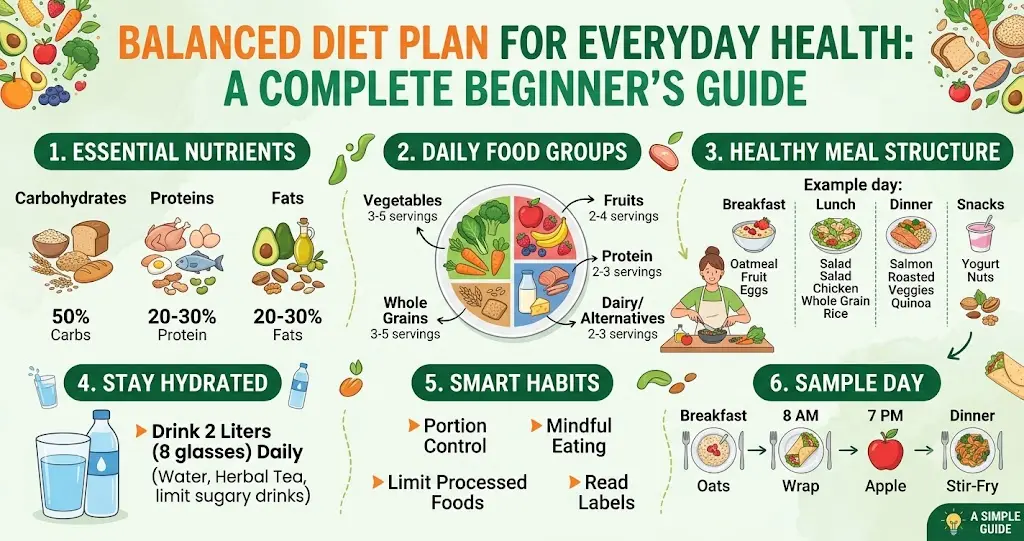
Balanced eating provides carbohydrates for energy, proteins for growth and repair, healthy fats for brain and heart function, vitamins and minerals for body processes, and fiber for digestive health.
The goal is to create healthy eating habits that are enjoyable, sustainable, and suitable for everyday life.
Why Is a Balanced Diet Important?

A balanced diet supports every system in the body.
Nutritious foods provide energy for daily activities while helping muscles, bones, organs, and the immune system function efficiently.
Healthy eating reduces the risk of many chronic diseases, including obesity, heart disease, high blood pressure, and type 2 diabetes.
Balanced meals also improve digestion by supplying adequate fiber and supporting healthy gut bacteria.
Proper nutrition contributes to better mental health by improving concentration, mood, and emotional well-being.
Children benefit through healthy growth and development, while adults maintain productivity and energy. Older adults benefit from stronger bones, improved muscle function, and healthier aging.
Overall, balanced nutrition helps people feel better, remain active, and enjoy a higher quality of life.
Step-by-Step Guide to Following a Balanced Diet Plan
Step 1: Include Every Food Group
Each food group provides unique nutrients.
A balanced plate should include:
- Fruits.
- Vegetables.
- Whole grains.
- Lean proteins.
- Healthy fats.
Eating a wide variety of foods helps ensure your body receives essential vitamins, minerals, and other nutrients.
Colorful meals often provide a broader range of beneficial nutrients.
Step 2: Fill Half Your Plate with Fruits and Vegetables
Fruits and vegetables are among the healthiest foods available.
They provide:
- Vitamins.
- Minerals.
- Fiber.
- Antioxidants.
- Natural hydration.
Simple ways to eat more include:
- Add fruit to breakfast.
- Include salad with lunch.
- Serve vegetables at dinner.
- Snack on fresh fruit instead of candy.
Aim to eat a variety of colors throughout the week for maximum nutritional value.
Step 3: Choose Whole Grains
Whole grains contain more nutrients and fiber than refined grains.
Healthy options include:
- Brown rice.
- Oats.
- Whole wheat bread.
- Whole grain pasta.
- Quinoa.
- Barley.
These foods help maintain stable energy levels while supporting digestive and heart health.
Step 4: Select Healthy Protein Sources
Protein is essential for muscle repair, immune function, and healthy body tissues.Expert Tips & Bonus Points
Creating a balanced diet becomes much easier when healthy eating fits naturally into your daily routine. Simple habits practiced consistently often lead to lasting improvements.
Consider these expert recommendations:
Prepare healthy meals ahead of time.
Fill half of every plate with vegetables.
Keep fresh fruit available for snacks.
Drink water before each meal.
Read nutrition labels carefully.
Choose whole foods whenever possible.
Try a new healthy recipe every week.
Eat slowly and enjoy your meals.
Shop with a grocery list to avoid impulse purchases.
Focus on long-term consistency instead of short-term perfection.
Another helpful strategy is to make gradual food substitutions. Replace white rice with brown rice, choose whole grain bread instead of refined bread, or snack on nuts and fruit instead of chips. Small changes become sustainable habits when practiced regularly.
Tracking your meals can also help you identify eating patterns and make informed improvements. Whether you use a notebook or a mobile app, monitoring your choices encourages accountability and helps maintain balanced nutrition.
Most importantly, remember that healthy eating should be enjoyable. Choose nutritious foods that you genuinely like and prepare meals that suit your tastes. A balanced diet is much easier to maintain when it feels satisfying rather than restrictive.
Conclusion
Following a balanced diet plan for everyday health is one of the most effective ways to improve your physical well-being, maintain steady energy levels, and support long-term wellness. A balanced diet provides the essential nutrients your body needs while helping reduce the risk of chronic diseases, improve digestion, strengthen the immune system, and promote healthy weight management. Combined with regular exercise, adequate sleep, and positive lifestyle habits, balanced nutrition creates a strong foundation for a healthier life.
Remember that healthy eating is not about strict rules or eliminating your favorite foods. Instead, it focuses on making nutritious choices consistently while allowing flexibility and moderation. Small improvements, such as eating more fruits and vegetables, choosing whole grains, staying hydrated, and practicing portion control, can produce significant health benefits over time.
Every healthy meal is an investment in your future. Although occasional setbacks are normal, maintaining consistency is far more important than striving for perfection. Continue building positive habits one step at a time, and celebrate your progress along the way.
By applying the practical strategies outlined in this guide, you can develop sustainable eating habits that support lifelong health and well-being. Start with one simple change today, remain patient throughout your journey, and allow each healthy decision to bring you closer to a stronger, more energetic, and healthier future. Good nutrition is not a temporary goal but a lifelong commitment that benefits every aspect of your life.
Nutritious protein choices include:
- Chicken.
- Fish.
- Eggs.
- Beans.
- Lentils.
- Tofu.
- Low-fat dairy.
- Nuts and seeds.
Including protein in each meal helps increase fullness and supports balanced nutrition.
Step 5: Drink Enough Water
Water is essential for nearly every body function.
Healthy hydration habits include:
- Drink water regularly.
- Carry a reusable water bottle.
- Replace sugary beverages with water.
- Drink more during exercise.
- Eat water-rich fruits and vegetables.
Proper hydration supports digestion, circulation, concentration, and physical performance while helping maintain overall health.
Step 6: Include Healthy Fats
Healthy fats are an important part of a balanced diet. They support brain function, hormone production, heart health, and the absorption of certain vitamins.
Choose healthy fat sources such as:
- Avocados.
- Olive oil.
- Nuts.
- Seeds.
- Natural peanut butter.
- Fatty fish like salmon.
Limit foods that contain trans fats and excessive saturated fats, including many fried and highly processed foods.
Step 7: Practice Portion Control
Even healthy foods should be eaten in appropriate amounts.
Helpful portion control tips include:
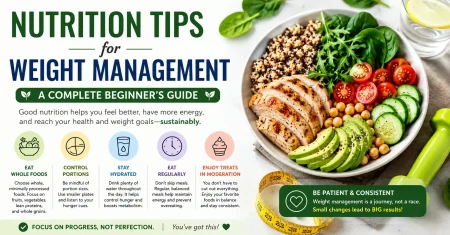
- Use smaller plates.
- Eat slowly and chew thoroughly.
- Stop eating when comfortably full.
- Avoid eating directly from large packages.
- Measure portions when learning serving sizes.
Mindful portion control supports healthy weight management without making meals feel restrictive.
Step 8: Plan Your Meals Ahead
Meal planning makes healthy eating easier and reduces the temptation to choose unhealthy convenience foods.
Benefits of meal planning include:
- Saving time during busy weeks.
- Reducing food waste.
- Staying within your grocery budget.
- Maintaining balanced nutrition.
- Making healthier food choices consistently.
Preparing ingredients in advance can also simplify cooking during the week.
Step 9: Read Nutrition Labels
Nutrition labels provide valuable information about packaged foods.
Check labels for:
- Serving size.
- Calories.
- Protein.
- Fiber.
- Added sugar.
- Sodium.
- Saturated fat.
Comparing similar products helps you select healthier options that support your balanced diet plan.
Step 10: Eat Mindfully
Mindful eating helps you enjoy food while recognizing your body’s hunger and fullness signals.
Healthy mindful eating habits include:
- Eating without distractions.
- Taking smaller bites.
- Chewing food slowly.
- Appreciating flavors and textures.
- Avoiding rushed meals.
Mindful eating often improves digestion and reduces unnecessary overeating.
Step 11: Choose Healthy Snacks
Nutritious snacks help maintain steady energy between meals.
Healthy snack ideas include:
- Fresh fruit.
- Plain yogurt.
- Mixed nuts.
- Carrot sticks with hummus.
- Whole grain crackers.
- Cottage cheese.
- Boiled eggs.
Planning healthy snacks reduces the likelihood of reaching for highly processed foods when hunger strikes.
Step 12: Stay Consistent
A balanced diet is not a short-term diet but a lifelong eating pattern.
Some meals may be healthier than others, and that is completely normal.
Focus on making nutritious choices most of the time rather than trying to eat perfectly every day. Consistency is what creates lasting health benefits.
Benefits of a Balanced Diet Plan for Everyday Health

Following a balanced diet consistently offers numerous advantages.
- Provides essential nutrients.
- Improves daily energy levels.
- Supports healthy weight management.
- Strengthens the immune system.
- Promotes heart health.
- Improves digestion.
- Supports healthy bones and muscles.
- Enhances brain function.
- Improves mood and concentration.
- Helps regulate blood sugar levels.
- Reduces the risk of chronic diseases.
- Encourages healthy aging.
- Supports physical performance.
- Improves overall wellness.
- Builds sustainable eating habits.
- Increases quality of life.
Combined with regular exercise and quality sleep, balanced nutrition creates a strong foundation for lifelong health.
Disadvantages and Risks
Although a balanced diet provides many health benefits, beginners may encounter a few challenges.
- Healthy meal preparation requires planning.
- Fresh produce may cost more in some areas.
- Busy schedules can make cooking difficult.
- Misunderstanding nutrition labels may lead to poor choices.
- Highly processed convenience foods are often easier to access.
- Unrealistic expectations may reduce motivation.
- Restrictive eating plans may become difficult to maintain.
- Lack of meal variety may cause boredom.
Most of these challenges can be overcome through preparation, education, and gradual lifestyle changes.
Common Mistakes to Avoid
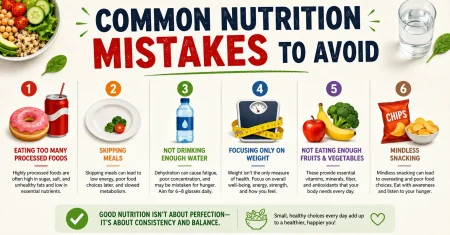
One of the biggest mistakes is skipping meals. Missing meals often leads to excessive hunger and unhealthy food choices later in the day.
Another mistake is eliminating entire food groups without medical advice. A balanced diet works best when it includes a wide variety of nutritious foods.
Many beginners also consume too many sugary drinks while focusing only on food. Replacing these beverages with water can significantly improve overall nutrition.
Ignoring portion sizes is another common issue. Even healthy foods should be eaten in reasonable amounts to maintain balance.
Some people rely heavily on packaged foods labeled as “healthy” without checking nutrition labels. Always review the ingredients and nutrient information before purchasing.
Finally, avoid expecting instant results. Healthy eating is a long-term lifestyle that rewards consistency rather than perfection. Every balanced meal contributes to better health over time.
What is a balanced diet plan?
A balanced diet plan is an eating pattern that includes the right amounts of carbohydrates, proteins, healthy fats, vitamins, minerals, fiber, and water. It focuses on eating a variety of nutritious foods from all major food groups to support overall health, maintain energy levels, and reduce the risk of chronic diseases.
Can I follow a balanced diet without giving up my favorite foods?
Yes. A balanced diet does not require eliminating your favorite foods completely. Instead, it encourages moderation and portion control while making nutritious foods the foundation of your daily meals. Occasional treats can fit into a healthy lifestyle when enjoyed responsibly.
How many meals should I eat each day?
There is no single meal schedule that works for everyone. Some people prefer three balanced meals, while others include one or two healthy snacks between meals. The most important goal is choosing nutritious foods and eating appropriate portions that meet your body’s needs.
Is drinking water really that important?
Absolutely. Water supports digestion, circulation, temperature regulation, nutrient transportation, and many other essential body functions. Drinking enough water each day also helps improve concentration, physical performance, and overall well-being.
Can a balanced diet help with weight management?
Yes. A balanced diet supports healthy weight management by providing satisfying, nutrient-rich foods while reducing excessive calories from highly processed foods and sugary drinks. Combined with regular physical activity, balanced eating promotes long-term weight control.
How can beginners make healthy eating easier?
Beginners should focus on small, achievable improvements such as eating more vegetables, replacing sugary drinks with water, preparing meals at home, choosing whole grains, and planning meals in advance. Gradual changes are easier to maintain and often produce better long-term results.
Expert Tips & Bonus Points
Creating a balanced diet becomes much easier when healthy eating fits naturally into your daily routine. Simple habits practiced consistently often lead to lasting improvements.
Consider these expert recommendations:
- Prepare healthy meals ahead of time.
- Fill half of every plate with vegetables.
- Keep fresh fruit available for snacks.
- Drink water before each meal.
- Read nutrition labels carefully.
- Choose whole foods whenever possible.
- Try a new healthy recipe every week.
- Eat slowly and enjoy your meals.
- Shop with a grocery list to avoid impulse purchases.
- Focus on long-term consistency instead of short-term perfection.
Another helpful strategy is to make gradual food substitutions. Replace white rice with brown rice, choose whole grain bread instead of refined bread, or snack on nuts and fruit instead of chips. Small changes become sustainable habits when practiced regularly.
Tracking your meals can also help you identify eating patterns and make informed improvements. Whether you use a notebook or a mobile app, monitoring your choices encourages accountability and helps maintain balanced nutrition.
Most importantly, remember that healthy eating should be enjoyable. Choose nutritious foods that you genuinely like and prepare meals that suit your tastes. A balanced diet is much easier to maintain when it feels satisfying rather than restrictive.
Conclusion
Following a balanced diet plan for everyday hhttps://www.nhs.uk/live-well/eat-well/how-to-eat-a-balanced-diet/eating-a-balanced-diet/ealth is one of the most effective ways to improve your physical well-being, maintain steady energy levels, and support long-term wellness. A balanced diet provides the essential nutrients your body needs while helping reduce the risk of chronic diseases, improve digestion, strengthen the immune system, and promote healthy weight management. Combined with regular exercise, adequate sleep, and positive lifestyle habits, balanced nutrition creates a strong foundation for a healthier life.
Remember that healthy eating is not about strict rules or eliminating your favorite foods. Instead, it focuses on making nutritious choices consistently while allowing flexibility and moderation. Small improvements, such as eating more fruits and vegetables, choosing whole grains, staying hydrated, and practicing portion control, can produce significant health benefits over time.
Every healthy meal is an investment in your future. Although occasional setbacks are normal, maintaining consistency is far more important than striving for perfection. Continue building positive habits one step at a time, and celebrate your progress along the way.
By applying the practical strategies outlined in this guide, you can develop sustainable eating habits that support lifelong health and well-being. Start with one simple change today, remain patient throughout your journey, and allow each healthy decision to bring you closer to a stronger, more energetic, and healthier future. Good nutrition is not a temporary goal but a lifelong commitment that benefits every aspect of your life.