

Introduction
Choosing the best superfoods for a healthy lifestyle is one of the simplest and most effective ways to improve your overall health, boost energy, and prevent long-term diseases. Superfoods are nutrient-rich foods that provide a high concentration of vitamins, minerals, antioxidants, and other beneficial compounds your body needs to function at its best.
In today’s fast-paced world, many people rely on processed or convenience foods, which often lack essential nutrients. As a result, fatigue, poor digestion, weak immunity, and lifestyle-related health issues have become more common. Adding superfoods to your daily diet can help reverse these effects by supplying the body with high-quality nutrition.
The concept of superfoods is not about strict dieting or expensive ingredients. Instead, it focuses on simple, natural foods that offer powerful health benefits. Items like fruits, vegetables, nuts, seeds, whole grains, and fatty fish can all be considered superfoods when included regularly in meals.
This guide on the best superfoods for a healthy lifestyle will help beginners and intermediate readers understand what superfoods are, why they matter, and how to incorporate them into everyday eating habits. By the end, you will have practical knowledge to build a healthier diet without confusion or complexity.why are superfoods important for a healthy lifestyle_
What Are the Best Superfoods for a Healthy Lifestyle?
why are superfoods important for a healthy lifestyle_
The best superfoods for a healthy lifestyle are natural foods that are especially rich in nutrients and provide significant health benefits compared to their calorie content.
Unlike processed foods, superfoods are minimally refined and packed with essential vitamins, minerals, antioxidants, fiber, and healthy fats.
Superfoods can include:
- Fruits such as berries, oranges, and apples.
- Vegetables like spinach, kale, and broccoli.
- Whole grains such as oats and quinoa.
- Nuts and seeds like almonds, chia seeds, and flaxseeds.
- Protein-rich foods such as eggs, salmon, and legumes.
- Natural fats like olive oil and avocados.
These foods are called “super” because they support multiple aspects of health at once. They help improve immunity, boost energy levels, support brain function, and reduce the risk of chronic diseases.
However, superfoods are not magic solutions. They work best as part of a balanced diet that includes a variety of nutrient-rich foods.
Why Are Superfoods Important for a Healthy Lifestyle?
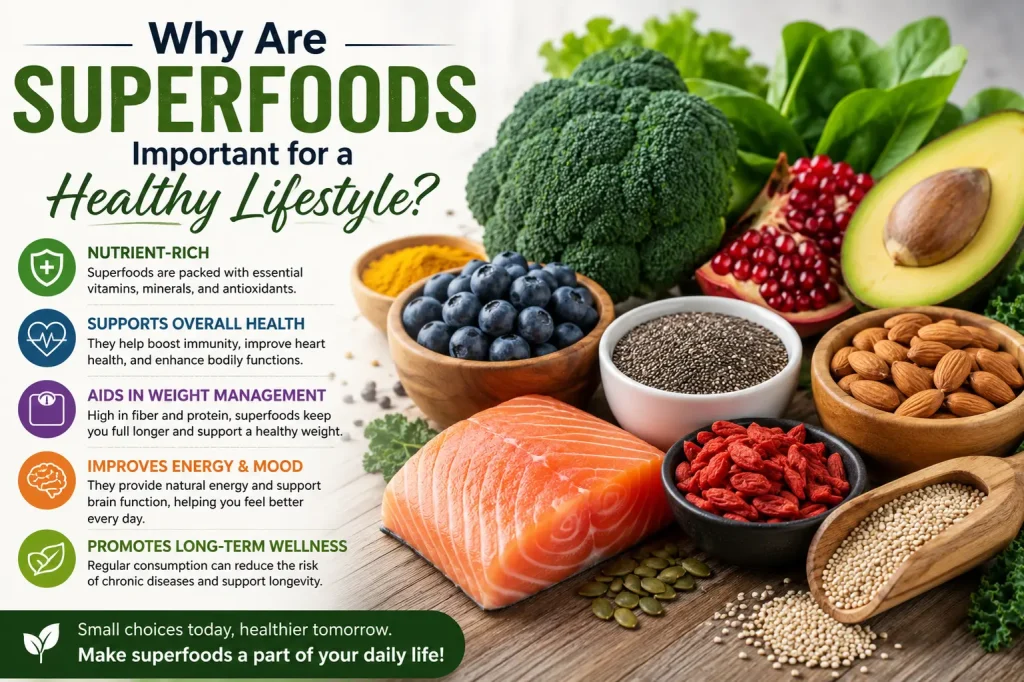
Superfoods play a vital role in maintaining long-term health and preventing nutritional deficiencies.
One of the main reasons they are important is their high nutrient density. This means they provide a large amount of vitamins, minerals, and antioxidants in relatively small portions.
They also help strengthen the immune system, making it easier for the body to fight infections and recover from illness.
Another key benefit is their role in reducing inflammation. Many chronic diseases, including heart disease and diabetes, are linked to long-term inflammation in the body. Superfoods contain compounds that help reduce this risk.
Superfoods also support mental health. Nutrients like omega-3 fatty acids, magnesium, and B vitamins contribute to better brain function, improved mood, and reduced stress.
In addition, they help maintain healthy digestion due to their fiber content, which supports gut health and regular bowel movements.
Overall, including the best superfoods for a healthy lifestyle in your diet helps improve both physical and mental well-being while supporting long-term health goals.
Step-by-Step Guide to Including Superfoods in Your Diet
Step 1: Start with Simple Additions
You do not need to completely change your diet overnight. Start by adding one or two superfoods to your daily meals.
For example:
- Add berries to breakfast.
- Include spinach in lunch.
- Snack on nuts instead of chips.
Small changes are easier to maintain and more sustainable.
Step 2: Focus on Whole Foods
Choose foods that are as close to their natural state as possible.
Examples include:
- Fresh fruits instead of fruit juices.
- Whole grains instead of refined grains.
- Raw nuts instead of salted or processed versions.
Whole foods retain more nutrients and fiber.
Step 3: Build Balanced Meals
A balanced plate should include:
- Protein sources like fish or beans.
- Vegetables for vitamins and minerals.
- Whole grains for energy.
- Healthy fats for brain function.
This combination ensures your body receives a wide range of nutrients.
Step 4: Include Colorful Fruits and Vegetables
Different colors represent different nutrients.
For example:
- Red foods support heart health.
- Green foods support detox and blood health.
- Orange foods support vision and immunity.
Eating a “rainbow diet” improves overall nutrition.
Step 5: Stay Consistent
Superfoods are most effective when consumed regularly.
Instead of eating them occasionally, try to include at least one or two superfoods in every meal.
Consistency is the key to long-term health benefits.
Step 6: Add Healthy Fats from Superfoods
Healthy fats are an essential part of the best superfoods for a healthy lifestyle, especially for brain function, hormone balance, and heart health. Many beginners avoid fats completely, but the right types of fats are actually necessary for good health.
Include these superfood sources of healthy fats:
- Avocados for heart-healthy monounsaturated fats.
- Olive oil for antioxidant support and anti-inflammatory benefits.
- Chia seeds for omega-3 fatty acids and fiber.
- Flaxseeds for digestion and hormonal balance.
- Walnuts for brain health and memory support.
These foods also help your body absorb fat-soluble vitamins like A, D, E, and K more effectively.
Step 7: Choose Protein-Rich Superfoods
Protein is essential for muscle repair, immunity, and energy production. Many superfoods are naturally rich in high-quality protein, making them ideal for daily meals.
Strong options include:
- Eggs for complete protein and essential nutrients.
- Salmon for omega-3 fatty acids and heart health.
- Greek yogurt for gut-friendly probiotics.
- Lentils for plant-based protein and fiber.
- Chickpeas for steady energy and digestion support.
Including protein in every meal helps you stay full longer and reduces unhealthy snacking.
Step 8: Boost Fiber Intake with Superfoods
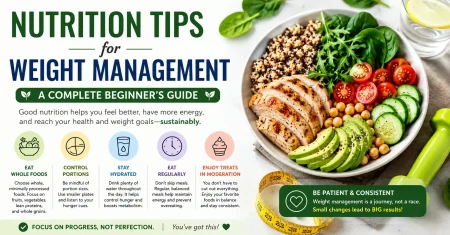
Fiber is often overlooked but plays a major role in digestion and overall wellness. It helps regulate blood sugar levels, improves gut health, and supports weight management.
High-fiber superfoods include:
- Oats for cholesterol control and steady energy.
- Apples for digestive health and hydration.
- Berries for antioxidants and gut support.
- Broccoli for detoxification and immunity.
- Beans for long-lasting fullness and energy balance.
A fiber-rich diet also helps maintain a healthy digestive system and reduces bloating.
Step 9: Use Superfoods in Everyday Meals
One of the easiest ways to follow the best superfoods for a healthy lifestyle is by adding them to meals you already eat.
Simple ideas include:
- Add chia seeds to smoothies or yogurt.
- Mix spinach into omelets or sandwiches.
- Use oats for breakfast instead of sugary cereals.
- Add berries to salads or desserts.
- Include salmon or beans in lunch and dinner.
Small upgrades like these make a big difference over time.
Step 10: Avoid Overprocessed Food Choices
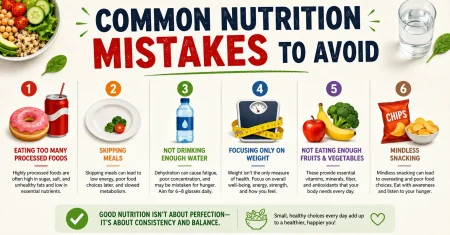
Even if you include superfoods, processed foods can reduce their benefits. Highly processed foods are often high in sugar, salt, and unhealthy fats.
Try to limit:
- Sugary drinks and sodas.
- Packaged snacks.
- Fast food meals.
- Refined white bread and pastries.
Instead, focus on fresh and natural ingredients as much as possible.
Step 11: Stay Hydrated Alongside Superfoods
Hydration is often forgotten but is essential for nutrient absorption and overall health. Water helps transport vitamins and minerals throughout the body.
Healthy hydration habits include:
- Drinking water throughout the day.
- Starting your morning with a glass of water.
- Eating water-rich foods like cucumbers and watermelon.
- Reducing sugary beverages.
Proper hydration enhances the effectiveness of superfoods in your diet.
Benefits of the Best Superfoods for a Healthy Lifestyle

Including superfoods regularly provides wide-ranging health benefits:
- Strengthens the immune system.
- Improves energy levels throughout the day.
- Supports heart health and circulation.
- Enhances brain function and memory.
- Promotes healthy digestion and gut balance.
- Helps manage weight naturally.
- Reduces inflammation in the body.
- Improves skin health and appearance.
- Supports muscle recovery and strength.
- Helps regulate blood sugar levels.
- Improves mental clarity and focus.
- Reduces risk of chronic diseases.
- Enhances overall nutritional intake.
- Promotes long-term wellness and vitality.
- Supports better sleep quality.
- Encourages healthier eating habits overall.
These benefits become stronger when superfoods are combined with regular exercise and good sleep habits.
Disadvantages and Risks
Although superfoods are highly beneficial, there are some limitations to understand:
- Overdependence on a few foods may create imbalance.
- Some superfoods can be expensive depending on location.
- Misleading marketing may exaggerate health claims.
- Excess intake of certain foods may cause side effects.
- Poor preparation can reduce nutrient value.
- Not all “superfoods” are necessary for every individual.
Balance is important. No single food can provide all nutrients required by the body.
Common Mistakes to Avoid
One common mistake is believing that superfoods alone guarantee perfect health. In reality, overall diet and lifestyle matter more than individual foods.
Another mistake is ignoring variety. Eating the same superfoods repeatedly may limit nutrient diversity.
Many beginners also rely on supplements instead of whole foods, which reduces the natural benefits found in real ingredients.
Skipping vegetables while focusing only on trendy superfoods is another error. Vegetables remain essential for balanced nutrition.
Finally, some people expect instant results. Superfoods work gradually and provide long-term benefits rather than quick fixes.
What are the best superfoods for daily health?
The best superfoods for a healthy lifestyle include berries, spinach, kale, oats, salmon, eggs, nuts, seeds, legumes, and avocados. These foods provide a strong mix of vitamins, minerals, antioxidants, fiber, and healthy fats that support overall wellness when eaten regularly.
Do I need expensive superfoods to stay healthy?
No, you do not need expensive ingredients. Many affordable options like oats, bananas, carrots, lentils, beans, and seasonal vegetables are powerful superfoods. Healthy eating is more about consistency and variety than cost.
Can superfoods replace a balanced diet?
No. Superfoods are not a replacement for a balanced diet. They work best when combined with a variety of whole foods, including proteins, carbohydrates, fats, fruits, and vegetables. Balance is the key to long-term health.
How often should I eat superfoods?
You can include superfoods in your daily meals. The goal is not to eat them occasionally but to make them a regular part of your diet. Even small daily servings can provide long-term health benefits.
Are superfoods good for weight loss?
Yes, many superfoods support weight management because they are nutrient-dense and high in fiber. Foods like oats, berries, leafy greens, and legumes help you feel full longer and reduce unhealthy snacking.
Can superfoods improve energy levels?
Yes. Superfoods provide steady energy by supplying essential nutrients like iron, magnesium, complex carbohydrates, and healthy fats. This helps prevent energy crashes and keeps you active throughout the day.
Expert Tips & Bonus Points
To get the most from the best superfoods for a healthy lifestyle, focus on consistency and simplicity instead of complicated diets. Small daily improvements often lead to the biggest long-term results.
Here are some expert-backed tips:
- Start your day with a superfood breakfast like oats topped with berries and nuts.
- Add at least one green vegetable to every main meal.
- Replace sugary snacks with fruits or nuts.
- Use olive oil instead of processed cooking fats.
- Combine protein and fiber in meals for better fullness and energy.
- Try to include different colored fruits and vegetables each day.
- Prepare meals at home more often to control ingredients.
- Stay hydrated to improve nutrient absorption.
- Plan your weekly meals to ensure variety.
- Avoid relying on processed “health foods” with hidden sugars.
Another important tip is meal balance. Even if you eat superfoods, your body still needs carbohydrates, proteins, and fats in proper proportions. Focus on building balanced plates rather than chasing trends.
Also, remember that results take time. Superfoods support your health gradually by improving digestion, energy, immunity, and long-term disease prevention. Consistency is far more powerful than occasional healthy eating.
Conclusion
The best superfoods for a healthy lifestyle are simple, natural foods that provide powerful nutrition without requiring complicated diets or expensive ingredients. From leafy greens and berries to nuts, seeds, whole grains, and fatty fish, these foods support nearly every function in the body.
When included regularly, superfoods help improve energy levels, strengthen immunity, support brain health, and reduce the risk of chronic diseases. However, they work best as part of a balanced and varied diet rather than as standalone solutions.
Building a healthy lifestyle is not about perfection. It is about making better choices every day. Small steps like adding vegetables to meals, choosing whole grains, drinking enough water, and replacing processed snacks with natural foods can make a significant difference over time.
Ultimately, superfoods are a tool—not a miracle cure. Their true power comes from consistency and balance. When combined with regular physical activity, proper hydration, and good sleep habits, they contribute to long-term wellness and a stronger, healthier body.
By making smart and simple food choices, you can create a sustainable healthy lifestyle that supports your well-being for years to come.