
Introduction
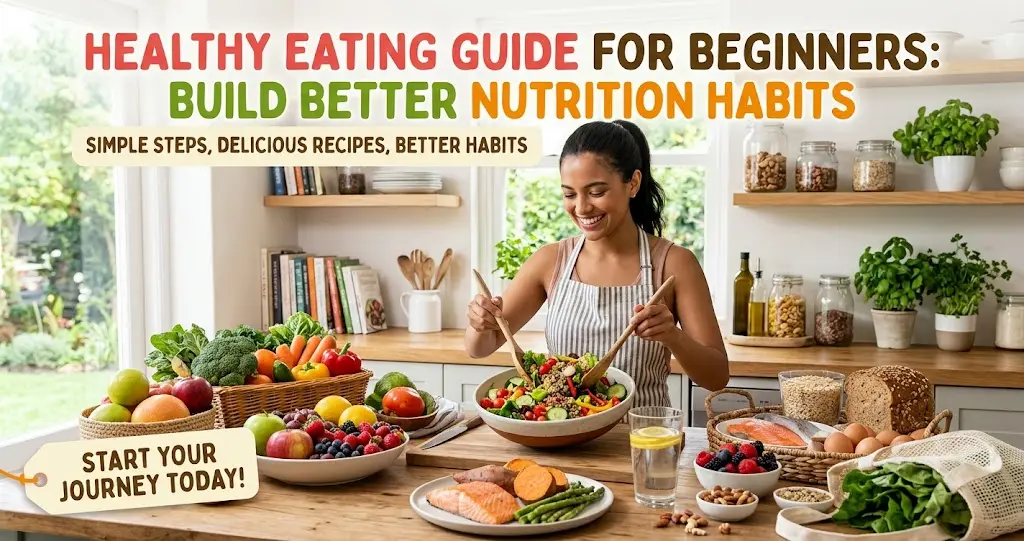
Following a balanced diet is one of the most effective ways to improve your health, increase energy, and reduce the risk of chronic diseases. This healthy eating guide for beginners is designed to help you understand the basics of good nutrition without making the process feel complicated or overwhelming. Healthy eating is not about strict dieting or giving up all your favorite foods. Instead, it focuses on making smarter food choices that support your body every day.
Many people believe healthy eating requires expensive ingredients or complex meal plans. In reality, simple adjustments such as eating more fruits and vegetables, choosing whole grains, drinking enough water, and limiting processed foods can make a significant difference. These small improvements become easier to maintain when introduced gradually.
Good nutrition also supports mental well-being, strengthens the immune system, improves digestion, and helps maintain a healthy weight. Combined with regular exercise and quality sleep, healthy eating creates a strong foundation for lifelong wellness.
This healthy eating guide for beginners explains everything you need to know about building healthier eating habits. You will learn why proper nutrition matters, how to create balanced meals, avoid common mistakes, and develop sustainable habits that fit your lifestyle. Whether your goal is to feel more energetic, improve overall health, or simply eat better every day, this guide will help you get started with confidence.
What Is a Healthy Eating Guide for Beginners?

A healthy eating guide for beginners is a practical approach to learning how to choose nutritious foods and develop balanced eating habits that support long-term health.
Rather than promoting restrictive diets, healthy eating encourages variety, moderation, and consistency. It focuses on giving your body the nutrients it needs to function efficiently.
Healthy eating includes:
- Fresh fruits.
- Vegetables.
- Whole grains.
- Lean proteins.
- Healthy fats.
- Low-fat dairy products when appropriate.
- Plenty of water.
At the same time, it encourages limiting foods high in:
- Added sugar.
- Sodium.
- Saturated fats.
- Trans fats.
- Highly processed ingredients.
Healthy eating is not about perfection. It is about making better food choices more often while still enjoying meals and maintaining balance.
Developing healthy nutrition habits early makes them easier to maintain throughout life.
Why Is Healthy Eating Important?

Healthy eating provides the nutrients your body needs for growth, repair, and daily function.
A balanced diet helps maintain healthy bones, muscles, organs, and immune function while supporting brain health and emotional well-being.
Proper nutrition also reduces the risk of many chronic diseases, including heart disease, obesity, type 2 diabetes, and high blood pressure.
Eating nutritious foods improves energy levels, allowing you to stay active and productive throughout the day.
Healthy eating also supports healthy digestion because fiber-rich foods promote regular bowel movements and nourish beneficial gut bacteria.
Children, adults, and older individuals all benefit from balanced nutrition. Healthy eating supports learning, work performance, physical activity, and healthy aging.
Most importantly, developing good eating habits creates a strong foundation for lifelong health and overall well-being.
Step-by-Step Guide to Healthy Eating for Beginners
Step 1: Build Balanced Meals
A balanced meal includes different food groups that provide essential nutrients.
Aim to include:
- Vegetables.
- Fruits.
- Whole grains.
- Lean protein.
- Healthy fats.
For example, grilled chicken, brown rice, steamed vegetables, and a side salad create a balanced and satisfying meal.
Eating a variety of colorful foods also helps ensure you receive a wide range of vitamins and minerals.
Step 2: Eat More Fruits and Vegetables
Fruits and vegetables are rich in vitamins, minerals, fiber, and antioxidants.
Try to include them in every meal.
Simple ideas include:
- Add berries to breakfast.
- Eat an apple as a snack.
- Include vegetables in sandwiches.
- Add salads to lunch.
- Serve steamed vegetables with dinner.
Choosing seasonal produce often provides better flavor and value.
Step 3: Choose Whole Grains
Whole grains contain more fiber and nutrients than refined grains.
Healthier grain choices include:
- Brown rice.
- Oats.
- Whole wheat bread.
- Whole grain pasta.
- Quinoa.
- Barley.
Whole grains help maintain steady energy levels while supporting digestive health and heart health.
Step 4: Select Healthy Protein Sources
Protein supports muscle growth, tissue repair, and immune function.
Healthy protein options include:
- Chicken.
- Fish.
- Eggs.
- Beans.
- Lentils.
- Tofu.
- Low-fat dairy products.
- Nuts and seeds.
Including protein with each meal also helps you stay full for longer.
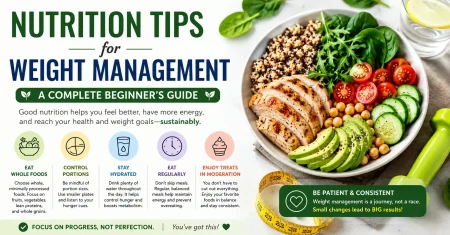
Step 5: Stay Hydrated
Water plays an essential role in digestion, circulation, temperature regulation, and overall health.
Healthy hydration habits include:
- Drink water throughout the day.
- Carry a reusable water bottle.
- Replace sugary drinks with water.
- Drink extra fluids during exercise.
- Eat fruits and vegetables with high water content.
Proper hydration improves concentration, physical performance, and overall well-being.
Step 6: Limit Processed Foods and Added Sugar
One of the easiest ways to improve your diet is to reduce highly processed foods. These products are often high in added sugar, unhealthy fats, sodium, and artificial ingredients while providing fewer essential nutrients.
Try to limit:
- Sugary soft drinks.
- Candy and sweets.
- Packaged snacks.
- Fast food.
- Processed meats.
- Sweetened breakfast cereals.
Instead, choose whole foods such as fresh fruits, vegetables, nuts, seeds, yogurt, and homemade meals whenever possible.
Step 7: Practice Portion Control
Healthy eating is not only about what you eat but also how much you eat.
Helpful portion control strategies include:
- Use smaller plates.
- Eat slowly.
- Stop eating whenWhat Is Improving”What Are Healthy Lifestyle Changes That Last? comfortably full.
- Avoid eating directly from large packages.
- Measure portions when learning healthy serving sizes.
Mindful portion control supports healthy weight management without requiring strict food restrictions.
Step 8: Plan Your Meals
Meal planning helps reduce unhealthy food choices during busy days.
A simple weekly meal plan can help you:
- Save time.
- Reduce food waste.
- Control grocery spending.
- Maintain balanced nutrition.
- Avoid last-minute fast-food meals.
Preparing ingredients in advance also makes healthy cooking more convenient.
Step 9: Read Nutrition Labels
Nutrition labels help you make informed food choices.
Pay attention to:
- Serving size.
- Calories.
- Protein.
- Fiber.
- Added sugar.
- Sodium.
- Saturated fat.
Comparing labels between similar products helps you choose healthier options for yourself and your family.
Step 10: Eat Mindfully
Mindful eating encourages you to focus on your meals instead of distractions.
Practice mindful eating by:
- Eating slowly.
- Chewing food thoroughly.
- Avoiding television while eating.
- Putting away your phone during meals.
- Paying attention to hunger and fullness signals.
Mindful eating often improves digestion and helps prevent overeating.
Step 11: Snack Smart
Healthy snacks help maintain energy between meals.
Nutritious snack ideas include:
- Fresh fruit.
- Plain yogurt.
- Mixed nuts.
- Carrot sticks with hummus.
- Whole grain crackers.
- Boiled eggs.
- Cottage cheese.
Choosing nutritious snacks reduces the temptation to eat highly processed convenience foods.
Step 12: Stay Consistent
Healthy eating is a long-term lifestyle rather than a temporary diet.
Some days will be healthier than others, and that is completely normal.
Focus on making nutritious choices most of the time instead of trying to eat perfectly every day. Long-term consistency leads to lasting improvements in health.
Benefits of a Healthy Eating Guide for Beginners

Following healthy eating habits consistently offers many advantages.
- Improves overall nutrition.
- Increases daily energy levels.
- Supports healthy weight management.
- Strengthens the immune system.
- Improves digestion.
- Promotes heart health.
- Helps regulate blood sugar.
- Supports healthy bones and muscles.
- Improves brain function.
- Enhances mood and mental well-being.
- Reduces the risk of chronic diseases.
- Promotes healthy aging.
- Encourages healthier food choices.
- Improves physical performance.
- Increases productivity.
- Supports long-term wellness.
These benefits become even greater when healthy eating is combined with regular exercise and sufficient sleep.
Disadvantages and Risks
Although healthy eating provides many benefits, there are some challenges that beginners may experience.
- Healthy meal preparation requires planning.
- Fresh foods may cost more in certain locations.
- Lifestyle changes can feel difficult at first.
- Following restrictive diets may lead to frustration.
- Misunderstanding nutrition labels may cause confusion.
- Eating out frequently makes healthy choices more challenging.
- Depending on processed “health foods” may reduce nutritional quality.
- Unrealistic expectations may decrease motivation.
Most of these challenges can be overcome by making gradual, sustainable improvements.
Common Mistakes to Avoid
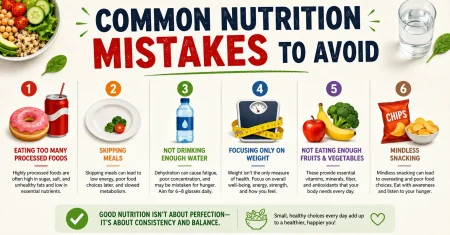
One common mistake is trying to change your entire diet overnight. Gradual improvements are easier to maintain and often produce better long-term results.
Skipping meals to lose weight is another mistake. Missing meals may increase hunger later in the day and lead to overeating.
Many beginners also avoid healthy fats completely. Foods such as avocados, nuts, seeds, and olive oil provide beneficial nutrients when eaten in appropriate portions.
Another mistake is drinking too many sugary beverages. Replacing soft drinks with water significantly improves overall nutrition.
Some people rely heavily on packaged foods labeled as “healthy” without reading the nutrition label. Always check ingredients and nutrient content before making a purchase.
Finally, remember that occasional treats are part of a balanced lifestyle. Healthy eating is based on consistency rather than perfection. Enjoy your favorite foods in moderation while maintaining nutritious habits most of the time.
What is the first step to eating healthier?
The best first step is making small, manageable changes instead of trying to change your entire diet overnight. Start by drinking more water, adding fruits and vegetables to your meals, choosing whole grains, and reducing sugary drinks. These simple improvements create a strong foundation for long-term healthy eating habits.
Do I have to give up my favorite foods?
No. Healthy eating does not mean eliminating every food you enjoy. A balanced diet allows occasional treats while focusing primarily on nutritious foods. Moderation is more sustainable than strict restrictions and helps you maintain healthy habits over time.
How much water should I drink each day?
Water needs vary depending on age, activity level, climate, and overall health. A practical approach is to drink water regularly throughout the day and increase your intake during exercise or hot weather. Paying attention to your body’s thirst signals is also important.
Are carbohydrates bad for health?
No. Carbohydrates are an important source of energy. The key is choosing healthier carbohydrates such as brown rice, oats, whole wheat bread, quinoa, and other whole grains instead of refined grains and foods high in added sugar.
Can healthy eating help with weight management?
Yes. A balanced diet supports healthy weight management by providing nutrient-rich foods that help you feel satisfied while reducing unnecessary calories from highly processed foods. Combining healthy eating with regular physical activity provides the best long-term results.
Is meal planning necessary for beginners?
Meal planning is not mandatory, but it makes healthy eating much easier. Planning meals in advance reduces last-minute unhealthy choices, saves time, minimizes food waste, and helps maintain a balanced diet throughout the week.
Expert Tips & Bonus Points
Healthy eating becomes much easier when you build simple routines that fit naturally into your daily life. Sustainable habits are far more effective than short-term diets that are difficult to maintain.
Consider these expert suggestions:
- Prepare healthy meals ahead of time.
- Keep fresh fruit available for snacks.
- Read nutrition labels before buying packaged foods.
- Fill half of your plate with vegetables.
- Cook more meals at home.
- Drink water before meals.
- Avoid grocery shopping when hungry.
- Try one new healthy recipe each week.
- Eat slowly and enjoy every bite.
- Focus on progress instead of perfection.
Another helpful strategy is to make small substitutions. Replace white bread with whole grain bread, choose fresh fruit instead of sugary desserts, or swap soft drinks for water. These simple changes become powerful habits over time.
Keeping a food journal can also help you understand your eating patterns and identify areas for improvement. Recording meals and snacks encourages mindfulness and helps you stay accountable to your nutrition goals.
Most importantly, choose foods that you enjoy while maintaining balance. Healthy eating should feel satisfying and enjoyable rather than restrictive. When nutritious meals fit your preferences and lifestyle, they become much easier to maintain for years to come.
Conclusion
Following this healthy eating guide for beginners is an excellent way to improve your overall health, increase energy, and build lifelong nutrition habits. Healthy eating does not require expensive ingredients, complicated recipes, or strict dieting. Instead, it focuses on making consistent, balanced food choices that nourish your body and support your long-term well-being. Every nutritious meal, healthy snack, and glass of water contributes to a stronger and healthier lifestyle.
Remember that lasting success comes from gradual improvements rather than dramatic changes. Adding more fruits and vegetables, choosing whole grains, eating lean proteins, controlling portion sizes, and staying hydrated are simple habits that produce meaningful results over time. Combined with regular exercise, quality sleep, and effective stress management, healthy eating forms the foundation of a healthier life.
It is also important to stay patient throughout your journey. Everyone experiences occasional setbacks, and no one eats perfectly every day. The goal is not perfection but consistency. By making nutritious choices most of the time, you will continue moving toward better health and improved well-being.
Start with one small change today, then build upon your progress as healthy habits become part of your routine. With commitment, balance, and realistic expectations, you can enjoy nutritious meals, maintain a healthy lifestyle, and experience the long-term benefits of better eating. Every positive food choice brings you one step closer to a healthier, happier, and more energetic future.