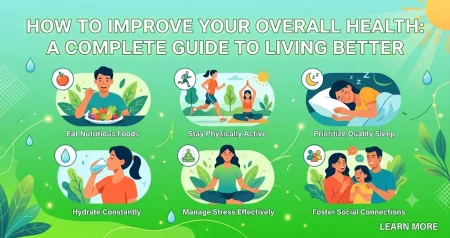


Introduction
Building a healthier lifestyle does not require expensive fitness equipment, strict diets, or dramatic life changes. Instead, small and consistent actions can create lasting improvements in your overall well-being. Adopting daily healthy habits for better living helps you feel more energetic, reduces stress, improves focus, and supports long-term physical and mental health.
Many people believe they need perfect routines before seeing results. However, the truth is that even a few positive habits practiced every day can make a significant difference over time. Drinking enough water, eating balanced meals, exercising regularly, and getting enough sleep are simple examples that contribute to a healthier life.
Healthy habits also improve productivity, strengthen immunity, and help prevent many common health problems. Whether your goal is to lose weight, gain more energy, improve your mood, or simply live a balanced life, developing consistent routines is the key to success.
This guide explains everything you need to know about daily healthy habits for better living. You will learn why these habits matter, how to build them step by step, common mistakes to avoid, and practical tips that are easy for beginners and intermediate readers to follow. By making gradual improvements instead of chasing perfection, you can create a sustainable lifestyle that benefits you every single day.
What Are Daily Healthy Habits for Better Living?

Daily healthy habits for better living are simple actions performed consistently to improve physical, mental, and emotional health. Unlike temporary challenges or crash diets, healthy habits become part of your regular lifestyle.
These habits focus on maintaining balance rather than achieving perfection. Every positive decision you make contributes to your long-term wellness.
Examples include:
- Drinking enough water throughout the day.
- Eating nutritious meals.
- Exercising regularly.
- Sleeping seven to nine hours.
- Managing stress effectively.
- Practicing good hygiene.
- Spending time outdoors.
- Limiting processed foods.
- Staying socially connected.
- Learning something new regularly.
Although each habit may seem small on its own, together they create a strong foundation for lifelong health.
Consistency matters far more than intensity. Walking for thirty minutes every day often provides greater long-term benefits than exercising intensely once every few weeks.
Healthy habits also encourage discipline. Once one positive habit becomes automatic, adding another becomes much easier. This creates a chain reaction that gradually improves multiple areas of life.
Why Are Daily Healthy Habits for Better Living Important?

Healthy habits affect nearly every aspect of your life. They influence your energy levels, mental clarity, emotional balance, productivity, and long-term health.
One major advantage is disease prevention. A healthy lifestyle lowers the risk of obesity, heart disease, type 2 diabetes, and high blood pressure.
Daily routines also strengthen your immune system. Proper nutrition, quality sleep, hydration, and regular exercise help your body defend itself against illness.
Mental health benefits are equally important. Exercise releases natural chemicals that improve mood while reducing anxiety and stress. Good sleep supports emotional stability and sharper thinking.
Healthy habits also improve confidence. When you consistently take care of yourself, you naturally feel better physically and emotionally.
Financial benefits should not be overlooked either. Preventive care through healthy living often reduces future medical expenses.
Additionally, positive routines improve relationships. People who manage stress effectively and maintain balanced lifestyles often communicate better and enjoy healthier interactions with others.
Most importantly, healthy habits increase your quality of life. Instead of simply living longer, they help you enjoy those extra years with better mobility, independence, and happiness.
Step-by-Step Guide to Building Daily Healthy Habits for Better Living
Step 1: Start Your Morning with Water
Your body becomes dehydrated while sleeping. Drinking one or two glasses of water shortly after waking helps rehydrate your body and prepares it for the day ahead.
Proper hydration supports digestion, brain function, circulation, and metabolism. Keeping a water bottle nearby also encourages regular water intake throughout the day.
If plain water feels boring, add slices of lemon, cucumber, or mint for natural flavor.
Avoid replacing water with sugary drinks because they often provide unnecessary calories without proper hydration.
Step 2: Eat a Nutritious Breakfast
Breakfast provides the energy your body needs after several hours without food.
A balanced breakfast should include:
- Protein
- Whole grains
- Healthy fats
- Fresh fruits
- Fiber-rich foods
For example, oatmeal with berries and nuts or eggs with whole-grain toast creates a satisfying and nutritious meal.
Skipping breakfast may lead to overeating later in the day and reduced concentration during work or study.
Step 3: Stay Physically Active
Exercise remains one of the most effective healthy habits anyone can adopt.
You do not need an expensive gym membership. Simple activities provide excellent health benefits.
Examples include:
- Walking
- Cycling
- Jogging
- Swimming
- Dancing
- Yoga
- Stretching
Aim for at least thirty minutes of moderate activity most days of the week.
If your schedule feels busy, divide exercise into shorter sessions throughout the day.
Physical activity strengthens muscles, improves heart health, increases flexibility, and boosts mental well-being.
It also improves sleep quality and supports healthy weight management.
Step 4: Choose Balanced Meals
Healthy eating is about balance rather than restriction.
Fill your plate with colorful vegetables, lean proteins, whole grains, and healthy fats.
Good meal choices include:
- Grilled chicken with vegetables.
- Brown rice with fish.
- Mixed salads with beans.
- Fresh fruits for snacks.
- Plain yogurt with nuts.
Limit highly processed foods, excessive sugar, and unhealthy fats whenever possible.
Preparing meals at home allows greater control over ingredients and portion sizes.
Small improvements in food choices often produce significant health benefits over time.
Step 5: Practice Mindful Eating
Many people eat while watching television, scrolling through phones, or working.
Mindful eating encourages you to slow down and pay attention to your meals.
This habit helps you:
- Recognize hunger signals.
- Prevent overeating.
- Enjoy food more.
- Improve digestion.
- Develop healthier eating patterns.
Chewing food thoroughly also supports better digestion and nutrient absorption.
Eating without distractions creates a healthier relationship with food while making meals more satisfying.
Step 6: Prioritize Quality Sleep
Good sleep is one of the most important daily healthy habits for better living. During sleep, your body repairs tissues, strengthens the immune system, and restores energy. Adults should aim for seven to nine hours of quality sleep each night.
To improve sleep quality:
- Go to bed at the same time every day.
- Keep your bedroom cool, dark, and quiet.
- Avoid caffeine late in the evening.
- Limit screen time at least one hour before bedtime.
- Develop a relaxing bedtime routine.
Poor sleep can affect memory, concentration, mood, and overall health. Making sleep a priority helps you wake up refreshed and ready for the day.
Step 7: Manage Stress Effectively
Stress is a normal part of life, but unmanaged stress can negatively impact both physical and mental health.
Healthy ways to reduce stress include:
- Deep breathing exercises.
- Meditation.
- Spending time in nature.
- Reading a good book.
- Listening to calming music.
- Talking with family or friends.
- Practicing gratitude.
Even ten minutes of relaxation each day can make a noticeable difference. The goal is not to eliminate stress completely but to respond to it in healthier ways.
Step 8: Keep Your Body Moving Throughout the Day
Many people spend hours sitting at desks or in front of screens. Long periods of inactivity may increase the risk of health problems.
Simple ways to stay active include:
- Taking short walking breaks.
- Using stairs instead of elevators.
- Stretching every hour.
- Walking while talking on the phone.
- Parking farther from entrances.
Small movements throughout the day improve circulation, reduce stiffness, and increase energy levels.
Step 9: Stay Hydrated All Day
Drinking water only in the morning is not enough. Your body continuously loses fluids through breathing, sweating, and daily activities.
Keep these hydration tips in mind:
- Carry a reusable water bottle.
- Drink water before meals.
- Eat water-rich fruits and vegetables.
- Replace sugary drinks with water whenever possible.
- Increase water intake during hot weather or exercise.
Proper hydration supports digestion, healthy skin, brain performance, and body temperature regulation.
Step 10: Build Positive Relationships
Strong social connections contribute to emotional well-being and happiness.
Spend quality time with:
- Family members.
- Friends.
- Neighbors.
- Colleagues.
- Community groups.
Healthy relationships provide encouragement during difficult times and make everyday life more enjoyable.
Listening carefully, showing appreciation, and communicating honestly help strengthen these connections over time.
Step 11: Continue Learning Every Day
Learning keeps your brain active and improves confidence.
You can learn by:
- Reading books.
- Taking online courses.
- Listening to educational podcasts.
- Learning a new language.
- Developing a practical skill.
- Solving puzzles.
Continuous learning supports personal growth and helps keep the mind sharp as you age.
Step 12: End Your Day with Reflection
Before going to bed, spend a few minutes reviewing your day.
Ask yourself:
- What went well today?
- What healthy habit did I practice?
- What can I improve tomorrow?
- What am I grateful for?
This simple routine helps build self-awareness and encourages continuous improvement without feeling overwhelmed.
Benefits of Daily Healthy Habits for Better Living

Following healthy habits consistently provides numerous long-term advantages.
- Improves physical fitness and overall health.
- Increases daily energy levels.
- Supports healthy weight management.
- Strengthens the immune system.
- Reduces the risk of chronic diseases.
- Improves heart health.
- Enhances mental clarity and concentration.
- Promotes better sleep quality.
- Reduces stress and anxiety.
- Improves emotional well-being.
- Supports healthier digestion.
- Increases productivity at work and school.
- Builds self-confidence.
- Encourages stronger relationships.
- Improves overall quality of life.
- Promotes healthy aging.
- Helps develop lifelong self-discipline.
The biggest benefit is consistency. Small actions performed daily often produce greater results than occasional extreme efforts.
Disadvantages and Risks
Although healthy habits are beneficial, certain mistakes can create unnecessary challenges.
- Setting unrealistic goals may lead to frustration.
- Following extreme diets can cause nutrient deficiencies.
- Overtraining without proper rest increases injury risk.
- Comparing your progress with others may reduce motivation.
- Ignoring mental health while focusing only on physical fitness creates imbalance.
- Rapid lifestyle changes may become difficult to maintain.
- Poor planning can cause people to abandon healthy routines.
- Lack of flexibility may make healthy living feel stressful.
Understanding these risks helps you create balanced habits that remain enjoyable and sustainable.
Common Mistakes to Avoid
Many people begin with enthusiasm but lose motivation because of avoidable mistakes.
One common mistake is trying to change everything at once. Instead of completely transforming your lifestyle overnight, introduce one healthy habit at a time.
Another mistake is expecting immediate results. Healthy living is a long-term investment rather than a quick solution. Patience and consistency are essential.
Skipping meals in an attempt to lose weight can backfire by slowing metabolism and increasing hunger later in the day.
Ignoring hydration is another frequent error. Even mild dehydration can reduce concentration and energy.
Some people exercise intensely but overlook recovery. Rest days allow muscles to repair and help prevent injuries.
Relying heavily on processed “healthy” snacks instead of whole foods is another mistake. Reading nutrition labels carefully can help you make better choices.
Finally, many people quit after missing a day. Missing one workout or eating one unhealthy meal does not erase your progress. Simply return to your routine the next day without guilt.
“What is a Complete Health Guide for Beginners?”generate image in size 800/533
Expert Tips & Bonus Points
Healthy living becomes easier when you focus on consistency instead of perfection. Experts recommend creating routines that fit naturally into your daily schedule rather than following unrealistic plans.
Useful tips include:
- Prepare healthy meals in advance.
- Keep nutritious snacks available.
- Schedule exercise like an important appointment.
- Drink water before feeling thirsty.
- Spend time outdoors whenever possible.
- Practice gratitude every day.
- Reduce unnecessary screen time.
- Read food labels before purchasing packaged items.
- Celebrate small milestones.
- Surround yourself with supportive people.
Another helpful strategy is habit stacking. Pair a new habit with an existing routine. For example, stretch for five minutes immediately after brushing your teeth or drink a glass of water before every meal. This approach makes new habits easier to remember.
Tracking your progress can also increase motivation. A simple notebook, calendar, or habit tracker helps you stay accountable and recognize improvements over time.
Remember that setbacks are normal. Missing one healthy meal or skipping a workout does not mean you have failed. The most successful people simply return to their healthy routines as quickly as possible.
Finally, make healthy living enjoyable. Choose physical activities you genuinely like, cook meals you enjoy eating, and build routines that match your lifestyle. Sustainable habits are far more effective than temporary solutions.
Conclusion
Building daily healthy habits for better living is one of the most valuable investments you can make in yourself. Small actions performed consistently often create greater results than dramatic lifestyle changes that are difficult to maintain. Whether you begin by drinking more water, improving your diet, exercising regularly, sleeping better, or managing stress, every positive choice contributes to a healthier future.
The journey toward better health does not require perfection. Instead, it requires patience, commitment, and the willingness to improve one step at a time. Some days will be easier than others, and occasional setbacks are completely normal. What truly matters is your ability to continue moving forward and make healthy decisions more often than unhealthy ones.
By following the practical strategies outlined in this guide, you can improve your physical fitness, strengthen your mental well-being, increase productivity, and enjoy a higher quality of life. These habits not only benefit you today but also help protect your long-term health and independence.
Start with one habit, practice it consistently, and gradually add more positive routines as your confidence grows. Over time, these small daily actions become powerful lifestyle changes that support lasting happiness, improved health, and overall well-being. A healthier life begins with the choices you make today, and every positive step brings you closer to becoming the best version of yourself.