
Introduction
Building a healthier life is not about following strict diets or temporary fitness challenges. Instead, lasting success comes from making small, consistent improvements that gradually become part of your daily routine. Adopting healthy lifestyle changes that last helps improve physical health, mental well-being, energy levels, and overall quality of life without feeling overwhelming.
Many people begin health journeys with enthusiasm but struggle to maintain their progress because they attempt drastic changes that are difficult to sustain. Lasting health is achieved through realistic habits that fit naturally into your lifestyle. Whether your goal is to improve fitness, manage weight, reduce stress, or simply feel better every day, consistency matters more than perfection.
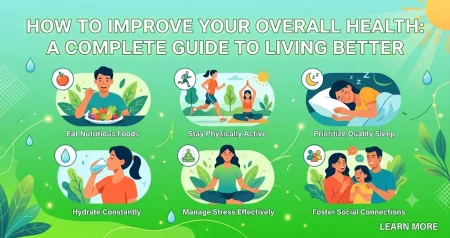
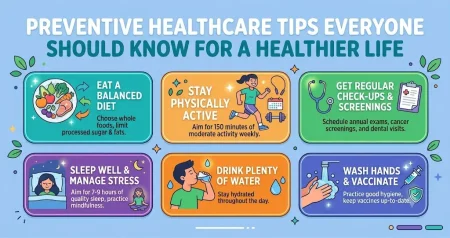
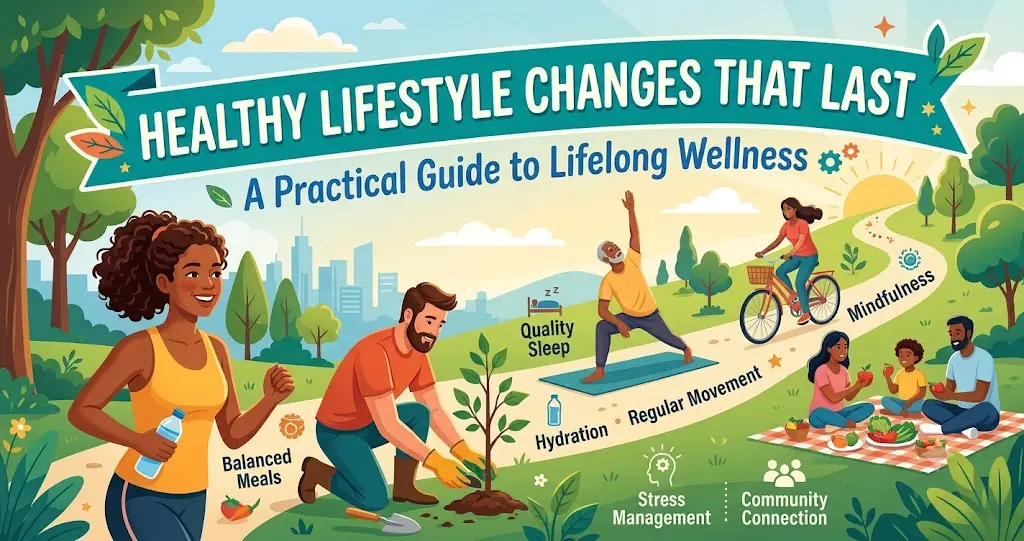
Healthy lifestyle changes include balanced nutrition, regular physical activity, quality sleep, stress management, proper hydration, and maintaining positive relationships. These habits work together to reduce the risk of chronic diseases while supporting emotional resilience and long-term wellness.
This guide explores the most effective healthy lifestyle changes that last, explains why they are important, and provides practical strategies that beginners and intermediate readers can apply immediately. By focusing on gradual improvements instead of quick fixes, you can create healthy routines that become lifelong habits and continue delivering benefits for years to come.
What Are Healthy Lifestyle Changes That Last?

Healthy lifestyle changes that last are sustainable habits that improve overall health and can be maintained over the long term without causing unnecessary stress or unrealistic expectations.
Unlike temporary diets or short-term exercise programs, these changes become part of your everyday routine. They focus on creating balance rather than achieving perfection.
Examples include:
- Eating balanced meals.
- Exercising regularly.
- Drinking enough water.
- Sleeping seven to nine hours each night.
- Managing stress effectively.
- Maintaining a healthy weight.
- Spending time outdoors.
- Avoiding tobacco products.
- Limiting alcohol consumption.
- Building supportive relationships.
These habits promote long-term physical, mental, and emotional well-being while reducing the risk of many preventable diseases.
The key to lasting success is consistency. Small actions repeated daily often produce better results than occasional extrem”What Are Common Health Problems and Prevention Tips?”generate image in size 800/533e efforts.
Healthy lifestyle changes also encourage positive thinking, greater self-confidence, and improved overall happiness.
Why Are Healthy Lifestyle Changes That Last Important?

Sustainable lifestyle habits help protect your health throughout every stage of life.
Many chronic illnesses, including heart disease, obesity, high blood pressure, and type 2 diabetes, are strongly influenced by daily lifestyle choices. Healthy habits reduce these risks while improving overall wellness.
Consistent routines also strengthen the immune system, improve cardiovascular health, increase energy levels, and enhance sleep quality.
Mental health benefits are equally significant. Regular exercise, nutritious meals, quality sleep, and stress management support emotional resilience, improve mood, and reduce anxiety.
Healthy habits also improve productivity. Better physical and mental health often lead to improved concentration, greater motivation, and fewer sick days.
Financial benefits should not be overlooked. Preventing illness through healthy living may reduce long-term healthcare expenses and the need for costly medical treatments.
Most importantly, lasting lifestyle changes improve overall quality of life by helping people remain active, independent, and healthier for many years.
Step-by-Step Guide to Healthy Lifestyle Changes That Last
Step 1: Set Realistic Goals
Successful lifestyle changes begin with realistic expectations.
Instead of trying to transform your entire life in one week, focus on one small improvement at a time.
Examples include:
- Walking twenty minutes daily.
- Drinking one extra glass of water.
- Eating vegetables with every dinner.
- Going to bed thirty minutes earlier.
Small goals build confidence and make long-term success much more achievable.
Step 2: Improve Your Daily Nutrition
Healthy eating does not require eliminating all favorite foods.
Instead, aim for balanced meals that include:
- Fresh fruits.
- Vegetables.
- Whole grains.
- Lean proteins.
- Healthy fats.
- High-fiber foods.
Reduce the intake of highly processed foods, sugary beverages, and excessive salt.
Preparing meals at home allows greater control over ingredients and portion sizes while encouraging healthier eating habits.
Step 3: Exercise Consistently
Regular physical activity is essential for long-term health.
Choose activities you genuinely enjoy, such as:
- Walking.
- Cycling.
- Swimming.
- Dancing.
- Yoga.
- Strength training.
- Hiking.
Adults should aim for at least 150 minutes of moderate exercise each week.
Consistency matters far more than exercising intensely for only a few days.
Step 4: Prioritize Quality Sleep
Sleep is essential for recovery, memory, immune function, and emotional health.
Improve sleep quality by:
- Following a regular bedtime schedule.
- Keeping the bedroom quiet and comfortable.
- Limiting screen time before bed.
- Avoiding caffeine late in the evening.
- Creating a relaxing nighttime routine.
Getting enough quality sleep improves focus, productivity, and overall health.
Step 5: Stay Hydrated
Proper hydration supports digestion, circulation, brain function, and temperature regulation.
Healthy hydration habits include:
- Drinking water throughout the day.
- Carrying a reusable water bottle.
- Choosing water over sugary drinks.
- Eating water-rich fruits and vegetables.
- Increasing fluid intake during exercise.
Even mild dehydration may reduce concentration, energy, and physical performance.
Making hydration part of your daily routine is one of the easiest healthy lifestyle changes you can maintain.
Step 6: Manage Stress in Healthy Ways
Stress is a natural part of life, but long-term stress can negatively affect both physical and mental health. Learning healthy coping strategies helps you maintain balance and prevents stress from becoming overwhelming.
Effective stress management techniques include:
- Practicing deep breathing exercises.
- Meditating for a few minutes each day.
- Spending time outdoors.
- Reading books.
- Listening to calming music.
- Keeping a gratitude journal.
- Talking with trusted family members or friends.
Managing stress consistently improves emotional well-being, supports heart health, and increases overall resilience.
Step 7: Build Healthy Daily Routines
Healthy habits become easier when they are part of a consistent routine. Creating a daily schedule reduces the need to rely on motivation alone.
Simple routines may include:
- Drinking water after waking up.
- Taking a morning walk.
- Eating meals at regular times.
- Stretching before bed.
- Reading instead of using electronic devices at night.
Repeating these activities every day helps turn positive behaviors into lifelong habits.
Step 8: Limit Unhealthy Habits
Reducing harmful behaviors is just as important as building healthy ones.
Try to limit or avoid:
- Smoking and tobacco products.
- Excessive alcohol consumption.
- Sugary beverages.
- Highly processed foods.
- Long periods of sitting.
- Excessive screen time.
Replacing unhealthy habits gradually with healthier alternatives makes long-term success much more achievable.
Step 9: Stay Socially Connected
Strong relationships contribute significantly to overall well-being.
Healthy social habits include:
- Spending quality time with family.
- Meeting friends regularly.
- Participating in community activities.
- Supporting others during difficult times.
- Communicating openly and honestly.
Positive relationships reduce stress, improve emotional health, and create a strong support system during life’s challenges.
Step 10: Keep Learning and Growing
Personal growth supports long-term motivation and confidence.
You can continue learning by:
- Reading educational books.
- Taking online courses.
- Learning a new language.
- Developing practical skills.
- Listening to informative podcasts.
- Solving puzzles or brain games.
Keeping your mind active supports cognitive health and encourages lifelong curiosity.
Step 11: Monitor Your Progress
Tracking your progress helps you stay motivated and recognize improvements.
Useful things to monitor include:
- Daily exercise.
- Water intake.
- Sleep hours.
- Healthy meals.
- Weight changes.
- Personal goals.
A notebook, calendar, or habit tracker can help you remain consistent and identify areas that need improvement.
Step 12: Stay Patient and Flexible
Healthy lifestyle changes take time.
Some weeks will go exactly as planned, while others may include setbacks. Missing one workout or eating an unhealthy meal does not erase your progress.
Focus on returning to your routine instead of giving up completely. Long-term consistency is far more important than short-term perfection.
Benefits of Healthy Lifestyle Changes That Last

Sustainable healthy habits provide numerous long-term benefits.
- Improve physical fitness.
- Increase daily energy.
- Strengthen the immune system.
- Support healthy weight management.
- Improve heart health.
- Enhance mental well-being.
- Reduce stress and anxiety.
- Improve sleep quality.
- Increase productivity.
- Support healthier digestion.
- Lower the risk of chronic diseases.
- Build greater self-confidence.
- Encourage healthy aging.
- Improve overall quality of life.
- Promote long-term independence.
- Create positive habits for future generations.
The longer these habits are maintained, the greater their positive impact on overall health.
Disadvantages and Risks
Although healthy lifestyle changes are highly beneficial, certain challenges may arise during the process.
- Lifestyle changes require patience and commitment.
- Unrealistic goals may cause frustration.
- Healthy foods may cost more in some areas.
- Busy schedules can make consistency difficult.
- Rapid lifestyle changes may become overwhelming.
- Comparing yourself with others may reduce motivation.
- Ignoring rest days can increase injury risk.
- Depending only on motivation instead of routines may lead to setbacks.
Recognizing these challenges helps you prepare realistic solutions and maintain long-term success.
Common Mistakes to Avoid
One of the most common mistakes is trying to change everything at once. Making too many changes simultaneously often becomes overwhelming and difficult to maintain.
Another mistake is expecting immediate results. Healthy lifestyle changes require patience, and noticeable improvements usually appear gradually.
Skipping meals, following extreme diets, or exercising excessively may do more harm than good. Balance is always more sustainable than restriction.
Many people also ignore sleep while focusing only on nutrition and exercise. Quality sleep plays a vital role in recovery, mental health, and overall wellness.
Comparing your progress with others can reduce confidence and motivation. Everyone’s health journey is unique, and improv”What Are Common Health Problems and Prevention Tips?”generate image in size 800/533ement happens at different rates.
Finally, some individuals quit after experiencing small setbacks. Missing one day does not mean failure. Simply continue your healthy routine the next day and remain focused on your long-term goals.
What are healthy lifestyle changes that last?
Healthy lifestyle changes that last are sustainable habits that become part of your daily routine instead of temporary solutions. These include eating nutritious foods, exercising regularly, getting enough sleep, managing stress, staying hydrated, and maintaining positive relationships. The focus is on creating long-term improvements that support overall well-being.
How long does it take to build lasting healthy habits?
The time needed varies from person to person. Some habits may feel natural within a few weeks, while others require several months of consistent practice. The most important factor is repeating healthy behaviors regularly and staying patient throughout the process.
Why do many people struggle to maintain healthy habits?
Many people set unrealistic goals or try to change too many habits at once. Others depend on motivation instead of creating consistent routines. Building small, achievable habits and gradually adding new ones increases the likelihood of long-term success.
Can healthy lifestyle changes improve mental health?
Yes. Regular physical activity, balanced nutrition, quality sleep, stress management, and positive social relationships all contribute to better mental health. These habits help improve mood, reduce anxiety, increase emotional resilience, and support overall psychological well-being.
Is it necessary to follow a strict diet?
No. Long-lasting healthy habits focus on balance rather than restriction. Enjoying a variety of nutritious foods while allowing occasional treats is usually more sustainable than following strict diets that are difficult to maintain over time.
What is the best first step toward a healthier lifestyle?
Start with one simple and realistic habit. For example, drink more water, walk for twenty to thirty minutes each day, or add an extra serving of vegetables to your meals. Once that habit becomes consistent, gradually introduce another positive change.
Expert Tips & Bonus Points
Creating lasting healthy habits becomes easier when you simplify your routine and remain consistent. Small improvements repeated every day often produce greater results than short periods of intense effort.
Consider these expert suggestions:
- Plan healthy meals before the week begins.
- Keep nutritious snacks within easy reach.
- Schedule exercise like any important appointment.
- Drink water before each meal.
- Prepare for bedtime with a relaxing evening routine.
- Spend time outdoors whenever possible.
- Reduce unnecessary screen time.
- Celebrate small milestones along your journey.
- Focus on progress instead of perfection.
- Surround yourself with supportive and encouraging people.
Habit stacking is another effective strategy. Connect a new healthy habit to something you already do each day. For example, stretch immediately after brushing your teeth or drink a glass of water before your morning coffee. This approach helps new behaviors become automatic more quickly.
Tracking your daily progress also provides motivation. Whether you use a notebook, calendar, or mobile app, seeing your consistency can encourage you to continue building positive habits.
Finally, remember that healthy living should be enjoyable. Choose nutritious foods you like, participate in physical activities that make you happy, and create routines that fit naturally into your lifestyle. Sustainable habits are far more valuable than temporary solutions.
Conclusion
Making healthy lifestyle changes that last is one of the most rewarding investments you can make in your future. Good health is not achieved through temporary diets or extreme fitness programs but through consistent daily habits that support both physical and mental well-being. Every positive choice, from eating balanced meals and exercising regularly to getting enough sleep and managing stress, contributes to a healthier and more fulfilling life.
The key to lasting success is focusing on gradual progress instead of perfection. Small changes may seem insignificant at first, but when practiced consistently, they create meaningful improvements over time. Healthy routines become easier as they develop into natural habits, allowing you to maintain your progress without feeling overwhelmed.
Remember that setbacks are a normal part of any lifestyle journey. Missing a workout, eating an unhealthy meal, or facing a busy week does not erase your achievements. What truly matters is your willingness to return to your healthy routine and continue moving forward with confidence.
By following the practical strategies outlined in this guide, you can reduce the risk of chronic diseases, improve your energy levels, strengthen your mental well-being, and enjoy a higher quality of life. Start with one simple habit today, remain patient with your progress, and continue building healthier routines over time. The choices you make each day will shape a stronger, healthier, and happier future that lasts for years to come.