

Introductionbenefits of preventive healthcare tips everyone should know
Good health is one of the most valuable assets anyone can have, yet many people only pay attention to it when problems arise. Preventive care focuses on protecting your health before illness develops rather than treating diseases after they occur. By following preventive healthcare tips everyone should know, you can reduce the risk of chronic conditions, improve your quality of life, and save money on future medical expenses.
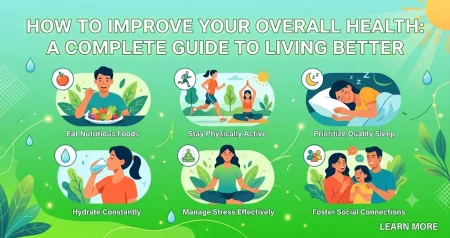
Preventive healthcare involves a combination of healthy lifestyle choices, regular medical checkups, vaccinations, screenings, and early detection of health issues. Even simple habits such as eating nutritious foods, exercising regularly, getting enough sleep, and managing stress can make a significant difference over time.
Many common illnesses, including heart disease, type 2 diabetes, obesity, and certain cancers, are linked to lifestyle factors. Fortunately, these risks can often be lowered through consistent preventive measures. Small improvements made every day gradually become lifelong habits that support better physical and mental well-being.
This guide explains the most important preventive healthcare tips everyone should know, why they matter, and how you can apply them in your daily routine. Whether you are just beginning your health journey or looking to strengthen your existing habits, these practical strategies will help you protect your health, prevent avoidable illnesses, and enjoy a longer, healthier life.
What Are Preventive Healthcare Tips Everyone Should Know?

Preventive healthcare refers to actions taken to reduce the likelihood of illness, detect diseases early, and maintain overall wellness before serious health problems develop.
Instead of waiting until symptoms appear, preventive care encourages people to make healthy choices and attend regular medical checkups that help identify potential issues early.
Examples of preventive healthcare include:
- Eating a balanced diet.
- Exercising regularly.
- Receiving recommended vaccinations.
- Scheduling routine health screenings.
- Maintaining a healthy weight.
- Practicing good hygiene.
- Managing stress effectively.
- Avoiding tobacco products.
- Limiting alcohol consumption.
- Getting enough sleep every night.
These habits work together to strengthen the body’s natural defenses and reduce health risks throughout life.
Preventive healthcare is beneficial for people of every age. Children, adults, and older individuals all benefit from healthy routines that support long-term physical and mental wellness.
The primary goal is not simply living longer but living healthier with fewer illnesses, greater independence, and improved quality of life.
Why Are Preventive Healthcare Tips Everyone Should Know Important?
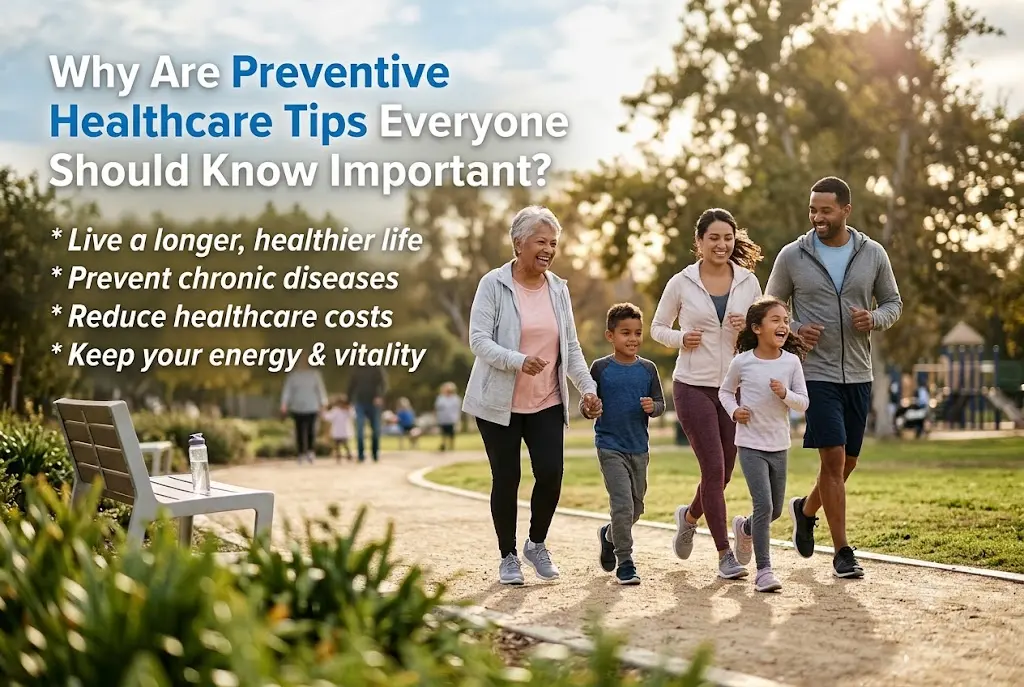
Preventive healthcare plays an essential role in reducing disease risk and improving overall well-being.
One of the greatest advantages is early detection. Many serious illnesses develop gradually without noticeable symptoms. Regular screenings help identify problems before they become severe, making treatment more effective.
Healthy lifestyle choices also reduce the likelihood of chronic diseases such as heart disease, high blood pressure, obesity, stroke, and type 2 diabetes.
Preventive care strengthens the immune system, helping the body fight infections”What Are Daily Healthy Habits for Better Living?”generate image in size 800/533″What Are Daily Healthy Habits for Better Living?”generate image in size 800/533 more effectively. Proper nutrition, physical activity, and sufficient sleep all contribute to stronger immunity.
Mental health also benefits from preventive healthcare. Managing stress, staying socially connected, and practicing healthy coping strategies improve emotional resilience and reduce anxiety.
Preventive healthcare can lower long-term healthcare costs by reducing emergency treatments, hospital admissions, and expensive medical procedures.
Families also benefit when healthy habits are practiced together. Parents who model healthy behaviors often encourage children to develop lifelong wellness routines.
Most importantly, preventive care empowers individuals to take responsibility for their health through informed decisions and consistent healthy habits.
Step-by-Step Guide to Preventive Healthcare
Step 1: Schedule Regular Medical Checkups
Routine medical examinations are one of the foundations of preventive healthcare.
Even if you feel healthy, annual checkups help monitor important health indicators before problems develop.
Healthcare professionals may evaluate:
- Blood pressure.
- Blood sugar levels.
- Cholesterol.
- Weight.
- Body mass index.
- Vision.
- Hearing.
- General physical health.
Early diagnosis often leads to simpler treatments and better outcomes.
Regular checkups also provide opportunities to discuss lifestyle improvements and ask health-related questions.
Step 2: Stay Up to Date with Vaccinations
Vaccines protect against many preventable diseases by helping your immune system recognize harmful viruses and bacteria.
Recommended vaccinations vary depending on age, occupation, travel, and medical history.
Common examples include:
“What Are Daily Healthy Habits for Better Living?”generate image in size 800/533
Keeping vaccination records updated helps protect both individuals and communities.
Step 3: Eat a Balanced and Nutritious Diet
Healthy eating supports nearly every system in the body.
A balanced diet should include:
- Fruits.
- Vegetables.
- Whole grains.
- Lean proteins.
- Healthy fats.
- Low-fat dairy products when appropriate.
Try to limit:
- Processed foods.
- Excess sugar.
- High sodium intake.
- Saturated fats.
- Sugary beverages.
Preparing meals at home often makes it easier to control ingredients and portion sizes.
Small dietary improvements practiced consistently can significantly reduce long-term health risks.
Step 4: Exercise Regularly
Physical activity remains one of the most effective preventive healthcare habits.
Adults should aim for at least 150 minutes of moderate exercise each week.
Good options include:
- Walking.
- Swimming.
- Cycling.
- Jogging.
- Yoga.
- Strength training.
- Dancing.
Exercise improves heart health, strengthens muscles and bones, supports healthy weight management, and reduces stress.
Even short activity sessions throughout the day contribute to better overall health.
Step 5: Prioritize Quality Sleep
Sleep allows the body to repair itself and maintain healthy brain function.
Most adults need seven to nine hours of sleep each night.
Improve sleep quality by:
- Following a consistent bedtime schedule.
- Limiting screen time before bed.
- Keeping the bedroom quiet and comfortable.
- Avoiding heavy meals late at night.
- Reducing caffeine intake during the evening.
Quality sleep improves memory, concentration, emotional balance, immune function, and overall health.
Step 6: Maintain a Healthy Weight
Maintaining a healthy weight is an important part of preventive healthcare tips everyone should know. Excess body weight increases the risk of heart disease, type 2 diabetes, high blood pressure, joint problems, and certain types of cancer.
Instead of following restrictive diets, focus on sustainable lifestyle habits. Eat balanced meals, stay physically active, and monitor portion sizes. Gradual weight management is usually more effective than rapid weight loss.
Remember that health is about more than the number on a scale. Building healthy habits and maintaining consistent routines contribute to overall well-being.
Step 7: Stay Hydrated
Water supports nearly every function of the human body. Proper hydration helps regulate body temperature, transport nutrients, improve digestion, and maintain healthy skin.
Simple hydration habits include:
- Drink water throughout the day.
- Carry a reusable water bottle.
- Increase water intake during exercise.
- Eat fruits and vegetables with high water content.
- Replace sugary drinks with plain water whenever possible.
Even mild dehydration may lead to fatigue, headaches, and reduced concentration. Drinking enough water every day supports both physical and mental performance.
Step 8: Manage Stress in Healthy Ways
Long-term stress can weaken the immune system and increase the risk of many health problems. Learning healthy coping strategies is an essential part of preventive healthcare.
Healthy stress management techniques include:
- Deep breathing exercises.
- Meditation.
- Gentle stretching.
- Spending time outdoors.
- Reading books.
- Listening to relaxing music.
- Talking with trusted friends or family.
Taking short breaks during busy days also helps reduce mental fatigue and improve productivity.
Step 9: Practice Good Personal Hygiene
Good hygiene helps prevent the spread of infections and protects both personal and public health.
Healthy hygiene habits include:
- Washing hands regularly.
- Brushing teeth twice daily.
- Flossing every day.
- Bathing regularly.
- Keeping nails clean.
- Covering your mouth when coughing or sneezing.
- Cleaning frequently touched surfaces.
Simple hygiene practices greatly reduce the spread of viruses and bacteria while promoting overall wellness.
Step 10: Avoid Harmful Habits
Certain lifestyle choices significantly increase disease risk.
Try to avoid:
- Smoking or tobacco products.
- Excessive alcohol consumption.
- Recreational drug use.
- Excessive sugary beverages.
- Frequent consumption of highly processed foods.
Replacing harmful habits with healthier alternatives gradually improves long-term health outcomes.
Step 11: Protect Your Mental Health
Preventive healthcare includes emotional well-being as much as physical health.
Support your mental health by:
- Maintaining social connections.
- Taking breaks from work.
- Setting realistic goals.
- Practicing gratitude.
- Asking for help when needed.
- Making time for hobbies.
Strong mental health improves decision-making, emotional resilience, and overall quality of life.
Step 12: Keep Track of Your Health
Monitoring your health helps identify changes early.
Useful records include:
- Blood pressure readings.
- Blood sugar levels if recommended.
- Weight changes.
- Vaccination history.
- Medical appointments.
- Family health history.
- Current medications.
Keeping organized health records makes future medical care more efficient and supports better communication with healthcare professionals.
Benefits of Preventive Healthcare Tips Everyone Should Know
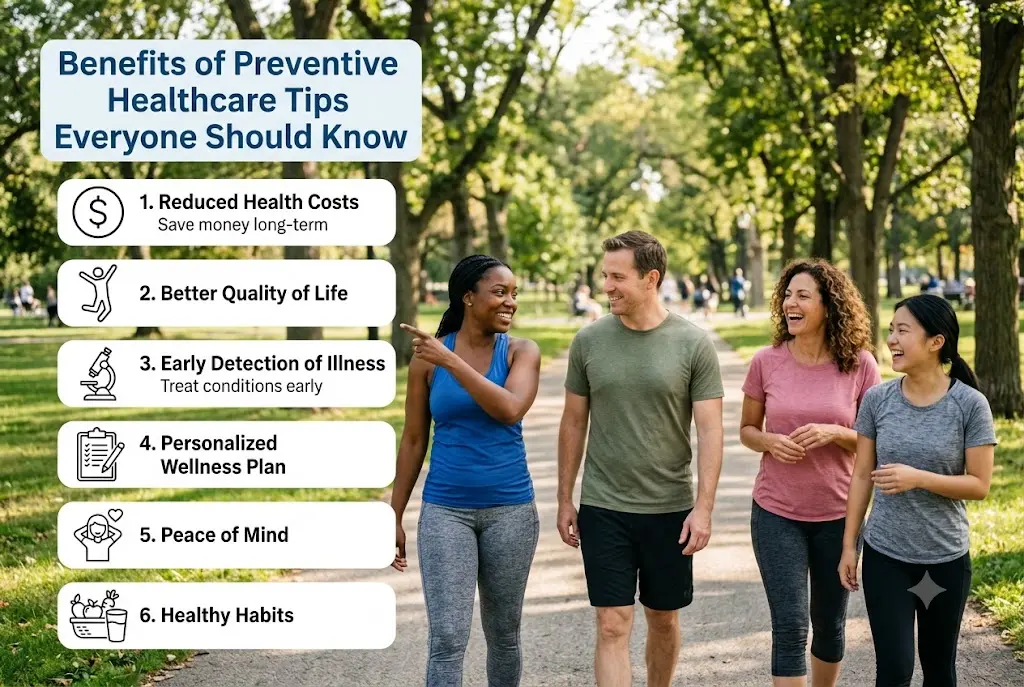
Following preventive healthcare practices consistently offers numerous long-term advantages.
- Reduces the risk of chronic diseases.
- Encourages early detection of health problems.
- Strengthens the immune system.
- Improves heart health.
- Supports healthy weight management.
- Promotes better mental health.
- Improves energy levels.
- Enhances sleep quality.
- Supports healthy aging.
- Reduces medical expenses over time.
- Improves productivity.
- Increases life expectancy.
- Promotes healthier families.
- Encourages positive daily habits.
- Improves overall quality of life.
- Supports greater independence during older age.
These benefits continue to grow when healthy habits become a regular part of everyday life.
Disadvantages and Risks
Although preventive healthcare offers many advantages, there are a few challenges to consider.
- Some health screenings may produce false-positive results.
- Medical appointments require time and planning.
- Lifestyle changes may initially feel difficult.
- Healthy food choices sometimes cost more in certain areas.
- Inconsistent routines reduce long-term effectiveness.
- Ignoring professional medical advice can delay proper treatment.
- Self-diagnosing without medical guidance may cause unnecessary worry.
- Unrealistic expectations can reduce motivation.
Despite these challenges, the long-term benefits greatly outweigh the temporary difficulties.
Common Mistakes to Avoid
One common mistake is waiting until symptoms appear before visiting a healthcare professional. Many serious conditions develop gradually and are easier to treat when detected early.
Another mistake is believing that feeling healthy means regular checkups are unnecessary. Preventive care focuses on identifying hidden health issues before noticeable symptoms develop.
Some people rely only on exercise while ignoring nutrition, sleep, or stress management. Good health requires balance across multiple lifestyle factors.
Skipping recommended vaccinations or health screenings without medical advice can increase unnecessary health risks.
Following unverified health information from unreliable sources is another frequent mistake. Always seek guidance from qualified healthcare professionals when making important medical decisions.
Many individuals also attempt drastic lifestyle changes that are impossible to maintain. Building one healthy habit at a time is usually more successful than trying to change everything overnight.
Finally, people often become discouraged after missing a workout or eating an unhealthy meal. Preventive healthcare is based on long-term consistency, not perfection. Returning to healthy habits the next day is far more important than dwelling on occasional setbacks.
What is preventive healthcare?
Preventive healthcare is the practice of taking proactive steps to reduce the risk of illness and detect health problems early. It includes regular medical checkups, vaccinations, health screenings, healthy eating, physical activity, stress management, and other lifestyle habits that help maintain long-term physical and mental well-being.
Why are regular health checkups important?
Routine health checkups allow healthcare professionals to identify potential problems before symptoms become noticeable. Early detection often leads to more effective treatment, lower medical costs, and better long-term outcomes. Regular examinations also provide an opportunity to discuss lifestyle improvements and monitor overall health.
How often should I exercise for preventive health?
Most adults should aim for at least 150 minutes of moderate-intensity physical activity each week. Activities such as brisk walking, cycling, swimming, or dancing can improve cardiovascular health, strengthen muscles, support weight management, and reduce the risk of many chronic diseases.
Can preventive healthcare reduce medical expenses?
Yes. Preventive healthcare helps lower long-term healthcare costs by reducing the likelihood of serious illnesses that require expensive treatments or hospital stays. Investing in healthy habits and routine screenings often prevents complications that are more difficult and costly to manage later.
Is preventive healthcare only for older adults?
No. Preventive healthcare benefits people of all ages. Children require vaccinations and regular growth assessments, adults benefit from healthy lifestyle habits and screenings, and older adults need continued preventive care to maintain independence and detect age-related conditions as early as possible.
What are the most effective preventive healthcare habits?
Some of the most effective habits include eating nutritious foods, exercising regularly, sleeping seven to nine hours each night, staying hydrated, managing stress, avoiding tobacco products, limiting alcohol intake, maintaining a healthy weight, practicing good hygiene, and attending regular medical checkups.
Expert Tips & Bonus Points
Preventive healthcare becomes easier when healthy choices become part of your daily routine rather than temporary goals. Small, consistent actions often produce greater long-term benefits than dramatic lifestyle changes.
Consider these expert recommendations:
- Schedule annual medical checkups in advance.
- Prepare healthy meals for the week.
- Carry a reusable water bottle every day.
- Walk whenever possible instead of driving short distances.
- Include colorful fruits and vegetables in every meal.
- Practice relaxation techniques before bedtime.
- Limit processed foods and sugary snacks.
- Spend time outdoors for fresh air and physical activity.
- Keep emergency medical information organized.
- Encourage family members to adopt healthy habits together.
Another valuable strategy is to track your progress. Recording exercise sessions, water intake, sleep hours, and health goals can help you stay motivated and identify areas for improvement.
Creating realistic goals also increases success. Instead of trying to change your entire lifestyle in one week, focus on one habit at a time until it becomes part of your routine.
Do not overlook mental well-being. Spending time with supportive friends and family, practicing gratitude, and maintaining hobbies contribute to a healthier and more balanced life.
Finally, remember that preventive healthcare is a lifelong commitment. Every healthy choice you make today helps reduce future health risks and supports a better quality of life for years to come.
Conclusion
Following preventive healthcare tips everyone should know is one of the smartest ways to protect your health and improve your overall quality of life. Prevention is far more effective than waiting for illnesses to develop, and even small lifestyle improvements can have a lasting impact. Healthy eating, regular exercise, quality sleep, stress management, hydration, vaccinations, and routine medical checkups all work together to reduce disease risk and promote lifelong wellness.
The journey toward better health does not require perfection or expensive treatments. Instead, it begins with simple daily choices that gradually become lasting habits. Consistency is far more valuable than making drastic changes that are difficult to maintain. Every healthy meal, every walk, every good night’s sleep, and every preventive screening contributes to a stronger body and a healthier future.
Preventive healthcare also empowers you to take an active role in your well-being. By recognizing potential risks early and making informed decisions, you can avoid many preventable illnesses and enjoy greater physical, mental, and emotional health. These habits not only benefit you but also encourage healthier families and communities.
Start with one practical step today, then continue building healthier routines over time. With patience, commitment, and consistency, preventive healthcare becomes a natural part of everyday life, helping you stay active, independent, and prepared for the future. The choices you make now will continue to benefit your health for many years to come.