

Introduction
Evidence-based nutrition means making food and nutrition decisions using the best available scientific evidence while also considering individual needs, professional expertise, preferences, culture, and practical circumstances. It is a more reliable approach than following the latest diet trend, social media claim, or single nutrition study.
Nutrition information can be confusing because different sources often make conflicting claims. One person may say carbohydrates are unhealthy, another may promote a high-protein diet, while a supplement advertisement may promise dramatic health benefits. Evidence-based nutrition takes a different approach. Instead of asking which claim sounds convincing, it asks what the overall research actually shows.
The World Health Organization explains that healthy diets can take different forms depending on individual characteristics, cultural context, available foods, and dietary customs. However, four basic principles remain important: adequacy, balance, moderation, and diversity. ([World Health Organization][1])
The goal is not to find one perfect diet for every person. It is to understand the principles supported by good evidence and apply them in a realistic way.
What Is Evidence-Based Nutrition?

Evidence-based nutrition combines scientific research with professional knowledge and individual circumstances.
A useful way to understand it is through three areas:
- Research evidence: What does high-quality scientific research show?
- Professional expertise: How should that evidence be interpreted and applied?
- Individual needs: What is suitable for the person’s health, preferences, culture, lifestyle, and circumstances?
This matters because scientific evidence does not always provide one simple answer for every person. A dietary approach that works well for one population may not be appropriate for someone with a particular medical condition or nutritional requirement.
Evidence-based practice therefore does not mean blindly following research findings. It means using reliable evidence carefully and honestly.
Why Evidence Matters in Nutrition
Nutrition affects long-term health, but nutrition research can be complicated.
People do not eat nutrients in isolation. They eat meals and dietary patterns containing many foods and nutrients at the same time. Someone who eats more vegetables may also exercise more, smoke less, sleep differently, or have other lifestyle factors that influence health.
This makes it important to distinguish between an association and a cause-and-effect relationship.
For example, if a study finds that people who eat more of a particular food have better health outcomes, that does not automatically prove that the food caused the improvement.
The quality of the research, study design, population, duration, possible confounding factors, and consistency with other research all matter.
The USDA’s 2025 Dietary Guidelines Advisory Committee used systematic reviews to examine high-priority nutrition questions, with reviews undergoing external peer review as part of the process.
Not All Nutrition Evidence Has the Same Strength
Different types of research answer different questions.
Randomized Controlled Trials
Randomized controlled trials can be useful for determining whether an intervention causes a particular outcome because participants are assigned to different groups under controlled conditions.
However, long-term dietary studies can be difficult to conduct, and results from a controlled intervention may not perfectly represent everyday eating.
Cohort Studies
Cohort studies follow groups of people over time and can help researchers examine relationships between dietary habits and later health outcomes.
They are useful for studying long-term patterns, but associations can be affected by other differences between participants.
Systematic Reviews
Systematic reviews use structured methods to identify and evaluate relevant studies addressing a specific question.
They can provide a broader picture than an individual study, particularly when several high-quality studies are available.
The USDA’s Nutrition Evidence Systematic Review process includes evaluating evidence and considering factors such as risk of bias and consistency when developing conclusions.
Meta-Analyses
A meta-analysis statistically combines results from multiple studies when it is appropriate to do so.
However, combining studies does not automatically make the evidence strong. If the underlying studies have serious limitations, the resulting conclusion can still be uncertain.
How to Evaluate a Nutrition Claim
You do not need to be a scientist to become better at judging nutrition information.
When you see a nutrition claim, ask a few basic questions.
1. What Exactly Is Being Claimed?
Compare these statements:
- “This food contains vitamin C.”
- “This food increases a specific biomarker.”
- “This food lowers disease risk.”
- “This supplement prevents disease.”
These claims require different levels of evidence.
The stronger the health claim, the more important it becomes to examine the quality and totality of the evidence.
2. What Type of Study Supports the Claim?
Find out whether the claim comes from a randomized trial, observational study, systematic review, laboratory research, or another type of evidence.
A headline based on a single observational study should not automatically be treated as proof of causation.
3. Who Was Studied?
A study involving older adults with a particular medical condition may not apply directly to young healthy adults.
Consider:
- Age
- Sex
- Health status
- Dietary habits
- Location
- Amount of food or nutrient consumed
- Length of the study
4. Are the Findings Consistent?
One study can produce an interesting result, but confidence generally improves when findings are supported by multiple well-designed studies.
If research repeatedly produces different results, the appropriate conclusion may be that the evidence is uncertain.
That is an important part of science. Not knowing something with certainty is different from having evidence that something is false.
What Does a Healthy Evidence-Based Diet Look Like?
There is no single menu that everyone must follow.
The WHO states that healthy diets can vary considerably depending on individual needs and cultural circumstances, while still following basic principles of adequacy, balance, moderation, and diversity.
In general, an evidence-based eating pattern can emphasize:
- Vegetables
- Fruits
- Whole grains
- Beans and lentils
- Nuts and seeds
- Appropriate protein sources
- Fish and seafood where suitable
- Foods rich in unsaturated fats
- A variety of nutrient-dense foods
At the same time, it is generally helpful to limit excessive intake of foods and drinks high in free sugars, sodium, saturated fat, and unhealthy trans fats.
The exact combination can vary.
A healthy diet in Pakistan does not have to look exactly like a healthy diet in the United States, Europe, or another region. Local foods, culture, availability, affordability, and preferences should all be considered.
Focus on Dietary Patterns Instead of Individual Foods
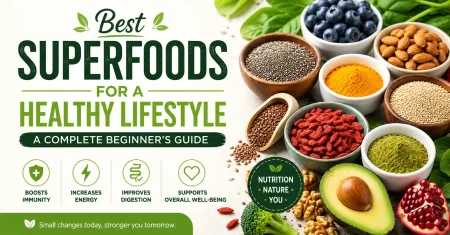
Nutrition advice often encourages people to search for a single “superfood.”
That can be misleading.
Health is usually influenced by the overall pattern of eating rather than one food consumed occasionally.
For example, a person may regularly consume vegetables, fruits, legumes, whole grains, nuts, and nutritious protein sources while keeping foods high in added sugars and sodium relatively limited. That overall pattern is more meaningful than whether one particular food is labeled a “superfood.”
A 2025 USDA systematic review examined dietary patterns and obesity risk and found evidence supporting relationships between dietary patterns and body composition and obesity outcomes.
This is why it is usually more useful to ask “What does my diet look like most of the time?” rather than “What is the single healthiest food?”
The Importance of Fruits and Vegetables

Fruits and vegetables are important components of healthy dietary patterns because they provide vitamins, minerals, fibre, and other beneficial compounds.
The WHO recommends that people older than 10 years aim for at least 400 grams of fruits and vegetables per day. It also recommends at least 25 grams of naturally occurring dietary fibre per day for people older than 10.
These are population-level recommendations, not necessarily individualized prescriptions.
Fresh produce is not the only option. Frozen and canned fruits and vegetables can also contribute to a healthy diet, particularly when products do not contain excessive added sugar or sodium. ([World Health Organization][1])
Carbohydrates Are Not Automatically Unhealthy
Carbohydrates are often treated as either completely good or completely bad.
The evidence is more nuanced.
Carbohydrates provide energy, and the quality of carbohydrate-containing foods matters. The WHO recommends that carbohydrates come primarily from foods such as whole grains, vegetables, fruits, and pulses.
That means there is an important difference between eating carbohydrates from foods such as lentils, oats, beans, whole grains, vegetables, and fruit and obtaining a large proportion of carbohydrate from foods and drinks high in free sugars.
The question should not simply be “Are carbohydrates bad?”
A better question is:
“What foods are providing the carbohydrates, and what does the overall dietary pattern look like?”
Understanding Dietary Fat
Fat is an essential nutrient, but the type of fat matters.
The WHO recommends replacing saturated and trans fats with unsaturated fats where appropriate. It also recommends avoiding industrially produced trans fats.
Sources of unsaturated fats can include:
- Nuts
- Seeds
- Fish
- Avocado
- Certain plant oils
Saturated fats can be found in foods such as fatty meats, butter, ghee, cream, and some other animal and plant foods.
Rather than treating all dietary fat as harmful, evidence-based nutrition considers the type, amount, and overall dietary context.
Why Added and Free Sugars Matter
Sweet foods and drinks can fit into different diets, but excessive consumption of free sugars can make it harder to maintain a nutritionally balanced eating pattern.
The WHO recommends limiting free sugars to less than 10% of total energy intake, with a further reduction to 5% or less potentially providing additional health benefits.
Free sugars include sugars added to foods and drinks as well as sugars naturally present in honey, syrups, fruit juice, and fruit juice concentrates.
One practical strategy is to reduce sugar-sweetened drinks and choose whole fruits more often.
Sodium and Salt
Sodium is another nutrient where moderation matters.
The WHO recommends adults consume less than 2 grams of sodium per day, equivalent to less than 5 grams of salt per day.
A large amount of sodium can come from processed foods, packaged foods, sauces, condiments, and salt added during cooking.
Reading nutrition labels and tasting food before adding extra salt can be simple ways to become more aware of sodium intake.
What About Processed Foods?
“Processed” is not a simple synonym for “unhealthy.”
Food processing covers a wide range of methods. Some processed foods can be nutritious and convenient.
The bigger concern is the overall nutritional profile and the amount consumed.
The WHO notes that diets containing substantial amounts of highly processed foods are often high in sodium, sugar, or unhealthy fats and are associated with negative health outcomes.
Instead of trying to eliminate every processed food, focus on building a dietary pattern where nutrient-dense foods make up a substantial part of what you regularly eat.
Evidence-Based Nutrition and Supplements
Supplements can have an appropriate role in certain circumstances, particularly when a nutrient deficiency or specific nutritional need has been identified.
But a supplement should not automatically be considered superior to food.
Before accepting a supplement claim, ask:
- What is the supplement supposed to do?
- What human evidence supports the claim?
- What dose was actually studied?
- Who participated in the research?
- Were the findings consistent?
- Are there potential side effects or interactions?
- Is supplementation actually necessary?
Marketing language such as “scientifically proven” should not replace examination of the underlying evidence.
People taking medications or managing medical conditions should discuss relevant supplements with an appropriately qualified healthcare professional.
How to Make Evidence-Based Nutrition Practical
A scientifically sound diet still needs to work in everyday life.
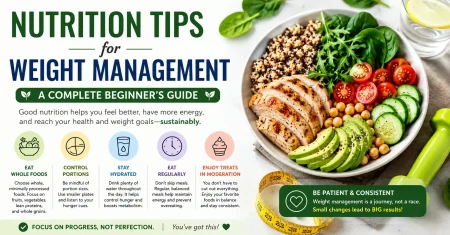
You can make healthy choices easier by focusing on realistic changes.
Plan Simple Meals
You do not need hundreds of recipes.
Build a small collection of meals that contain nutritious foods and fit your schedule.
Keep Nutritious Foods Available
Having fruits, vegetables, legumes, whole grains, nuts, and other nutritious foods available can make healthy choices easier.
Improve Instead of Completely Restricting
Instead of trying to change everything at once, make practical substitutions.
For example:
- Add vegetables to a regular meal.
- Choose whole grains more often.
- Include beans or lentils regularly.
- Replace some sugary drinks with water.
- Choose fruit as a snack more often.
- Replace some saturated fats with unsaturated fat sources.
Consider Your Culture and Budget
Evidence-based nutrition should be realistic.
Healthy eating does not require expensive imported foods, specialty products, or supplements. Nutritious foods can be selected from locally available options.
The WHO recognizes that food availability, affordability, cultural context, and individual circumstances influence what a healthy diet looks like.
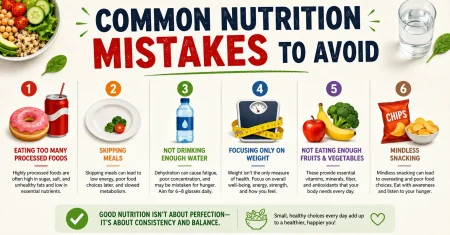
Common Nutrition Mistakes
Mistake 1: Believing One Study Proves Everything
A single study rarely settles a complicated nutrition question.
Better approach: Look at the broader body of evidence.
Mistake 2: Treating Association as Causation
An association does not automatically prove that one factor caused another.
Better approach: Check the study design and limitations.
Mistake 3: Searching for a Miracle Food
No single food can replace an overall nutritious dietary pattern.
Better approach: Improve the quality of your diet as a whole.
Mistake 4: Believing “Natural” Means Healthy
Natural does not automatically mean safe, nutritious, or appropriate for everyone.
Better approach: Evaluate foods based on evidence and nutritional context.
Mistake 5: Treating All Carbohydrates or Fats the Same
The quality and source of nutrients matter.
Better approach: Look at the foods providing the nutrient.
Mistake 6: Following Extremely Restrictive Diets Without a Reason
Removing major food groups without a nutritional or medical reason can make a diet unnecessarily difficult and may create nutritional challenges.
Better approach: Make changes based on evidence and individual needs.
How to Create Your Own Evidence-Based Eating Pattern
A simple framework is:
1. Build variety.
Include foods from different food groups.
2. Prioritize nutrient-dense foods.
Choose foods that provide useful nutrients rather than relying heavily on foods high in added sugars, sodium, or unhealthy fats.
3. Pay attention to portions.
Energy needs vary between individuals.
4. Limit excessive free sugars and sodium.
Small changes can make a meaningful difference to overall dietary quality.
5. Choose healthier sources of fat.
Favor unsaturated fats over saturated and trans fats where appropriate.
6. Make the pattern sustainable.
A diet you can follow consistently is more practical than an extreme plan you cannot maintain.
7. Adapt when necessary.
Medical conditions, allergies, medications, pregnancy, age, and other factors can change nutritional requirements.
Frequently Asked Questions About Evidence-Based Nutrition
What does evidence-based nutrition mean?
Evidence-based nutrition means using the best available scientific evidence together with professional expertise and individual circumstances to make nutrition decisions.
Is there one diet that is healthiest for everyone?
No. Healthy dietary patterns can vary according to individual needs, culture, food availability, lifestyle, and preferences. However, principles such as adequacy, balance, moderation, and dietary diversity are broadly applicable.
Are carbohydrates unhealthy?
No. Carbohydrates are an important source of energy. The quality of carbohydrate sources matters, and the WHO recommends obtaining carbohydrates primarily from foods such as whole grains, vegetables, fruits, and pulses.
Are all fats bad for you?
No. Fat is an essential nutrient. Evidence-based guidance emphasizes the quality of dietary fat, with unsaturated fats generally preferred over saturated and trans fats. Industrially produced trans fats should be avoided.
Should I avoid all processed foods?
Not necessarily. Processing covers many different types of foods. The important issue is the overall nutritional quality of the diet and limiting excessive intake of foods high in sodium, free sugars, and unhealthy fats.
Do I need supplements to have a healthy diet?
Not everyone needs supplements. Some people may require them because of deficiencies, life stages, medical conditions, or other specific needs. Supplement decisions should be based on individual circumstances and reliable evidence.
How can I tell whether a nutrition claim is trustworthy?
Look at the quality of the evidence, study design, population studied, consistency of findings, possible limitations, and whether the claim is stronger than what the research actually supports.
Can healthy eating prevent disease?
A healthy dietary pattern can help reduce the risk of several diet-related chronic diseases, including cardiovascular disease, diabetes, and some cancers, but nutrition cannot guarantee that an individual will never develop a disease.
Is evidence-based nutrition suitable for weight management?
Evidence-based nutrition can help support healthy weight management, but the appropriate approach depends on the individual. Research reviewed by the 2025 Dietary Guidelines Advisory Committee examined relationships between dietary patterns, body composition, and obesity risk.
Should I follow nutrition advice from social media?
Social media can provide useful information, but it should not automatically be treated as authoritative. Check whether claims are supported by credible research and whether the source accurately represents the evidence.
Conclusion
Evidence-based nutrition is less about following a perfect diet and more about making better decisions based on reliable evidence.
The strongest approach focuses on the overall dietary pattern rather than individual “miracle” foods or extreme restrictions. A healthy eating pattern generally emphasizes a variety of nutrient-dense foods, including vegetables, fruits, whole grains, legumes, nuts, seeds, and appropriate protein sources, while moderating excessive free sugars, sodium, saturated fat, and unhealthy trans fats.
Just as importantly, nutrition evidence needs to be interpreted carefully. A single study should not automatically become a universal rule, and an association should not automatically be treated as proof of causation. Looking at the totality of evidence, study quality, consistency, limitations, and relevance provides a more reliable foundation for nutrition decisions.
The best eating pattern is also one that can work in real life. Culture, budget, food availability, preferences, lifestyle, and individual health needs all matter.
Instead of chasing every new diet trend, focus on the fundamentals: eat a varied diet, choose nutrient-dense foods regularly, moderate foods and nutrients that may be harmful in excess, and evaluate nutrition claims critically. When a medical condition or specialized nutritional need is involved, personalized advice from a qualified healthcare professional is appropriate.
That is the practical value of evidence-based nutrition: using good science without losing sight of the real person who has to live with the advice.