

Introduction
Learning how to improve your overall health is one of the best investments you can make for your future. Good health is not achieved through quick fixes or temporary diets but through consistent daily habits that support your body and mind. Small improvements made every day can lead to significant long-term benefits, including increased energy, better mental well-being, stronger immunity, and a reduced risk of chronic diseases.
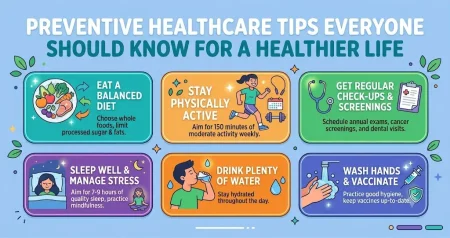
Many people believe improving health requires dramatic lifestyle changes. However, lasting results usually come from realistic habits that fit naturally into everyday life. Eating nutritious meals, exercising regularly, getting enough sleep, staying hydrated, managing stress, and maintaining positive relationships all contribute to better overall wellness.
Your health is influenced by many interconnected factors. Physical fitness, emotional balance, nutrition, preventive healthcare, and healthy routines work together to create a stronger and healthier lifestyle. Even one positive change can inspire additional healthy habits over time.
This guide explains how to improve your overall health using practical, easy-to-follow strategies suitable for beginners and intermediate readers. You will learn why overall health matters, discover simple lifestyle improvements, and understand how consistent daily habits can help you live a healthier, happier, and more productive life for years to come.
What Is Improving Your Overall Health?

Improving your overall health means making consistent choices that support your physical, mental, and emotional well-being.
Rather than focusing on a single aspect such as weight loss or exercise, overall health includes balanced nutrition, quality sleep, regular physical activity, stress management, preventive healthcare, and healthy relationships.
Examples of healthy lifestyle habits include:
- Eating balanced meals.
- Exercising regularly.
- Drinking enough water.
- Sleeping seven to nine hours each night.
- Managing stress effectively.
- Avoiding tobacco products.
- Limiting alcohol consumption.
- Maintaining good personal hygiene.
- Scheduling routine medical checkups.
- Staying socially connected.
These habits work together to strengthen the body, improve mental health, and reduce the risk of many preventable diseases.
Improving overall health is a lifelong journey built through consistent daily choices rather than temporary lifestyle changes.
Why Is Improving Your Overall Health Important?

Good overall health allows you to enjoy life with greater energy, confidence, and independence.
Healthy habits reduce the risk of many chronic diseases, including heart disease, obesity, type 2 diabetes, and high blood pressure.
Strong physical health also improves mobility, endurance, and daily productivity.
Mental health benefits are equally valuable. Proper nutrition, regular exercise, quality sleep, and stress management improve concentration, emotional resilience, and overall happiness.
A healthy lifestyle also strengthens the immune system, allowing the body to fight infections more effectively.
Preventive healthcare and healthy daily routines often reduce long-term medical expenses by preventing serious illnesses before they develop.
Perhaps most importantly, improving your overall health enhances your quality of life, helping you remain active and independent throughout every stage of life.
Step-by-Step Guide on How to Improve Your Overall Health
Step 1: Eat a Balanced Diet
Nutrition provides the foundation for good health.
Include these foods regularly:
- Fresh fruits.
- Colorful vegetables.
- Whole grains.
- Lean proteins.
- Healthy fats.
- High-fiber foods.
Reduce consumption of:
- Processed foods.
- Sugary drinks.
- Excess salt.
- Saturated fats.
- Highly refined carbohydrates.
Preparing meals at home allows better control over ingredients and portion sizes while encouraging healthier eating habits.
Step 2: Exercise Consistently
Regular physical activity benefits nearly every system in the body.
Excellent exercise options include:
- Walking.
- Cycling.
- Swimming.
- Yoga.
- Strength training.
- Dancing.
- Jogging.
Aim for at least 150 minutes of moderate exercise each week.
Consistent movement improves heart health, muscle strength, flexibility, and mental well-being.
Step 3: Prioritize Quality Sleep
Sleep is essential for recovery, memory, hormone regulation, and immune function.
Improve sleep quality by:
- Following a regular bedtime schedule.
- Keeping the bedroom quiet and comfortable.
- Avoiding electronic devices before bed.
- Limiting evening caffeine.
- Creating a relaxing nighttime routine.
Adults generally require seven to nine hours of quality sleep each night.
Step 4: Stay Hydrated
Water supports nearly every function within the body.
Healthy hydration habits include:
- Drinking water throughout the day.
- Carrying a reusable water bottle.
- Replacing sugary beverages with water.
- Increasing fluid intake during exercise.
- Eating fruits and vegetables with high water content.
Proper hydration improves digestion, concentration, circulation, and physical performance.
Step 5: Manage Stress Effectively
Managing stress is an important part of learning how to improve your overall health.
Healthy stress-management techniques include:
- Deep breathing exercises.
- Meditation.
- Reading books.
- Spending time outdoors.
- Listening to relaxing music.
- Talking with supportive friends or family.
Developing healthy coping strategies improves emotional balance while protecting long-term physical health.
Step 6: Maintain a Healthy Weight
Maintaining a healthy weight is an important part of learning how to improve your overall health. A healthy weight reduces the risk of heart disease, type 2 diabetes, high blood pressure, joint pain, and several other chronic conditions.
Focus on sustainable habits rather than quick weight-loss plans. Eat balanced meals, control portion sizes, stay physically active, and monitor your progress regularly. Gradual improvements are easier to maintain and usually provide better long-term results.
Remember that overall health is more important than achieving a specific number on the scale.
Step 7: Build Healthy Daily Routines
Healthy habits become easier when they are part of your daily schedule.
Examples of healthy routines include:
- Drinking a glass of water after waking up.
- Taking a morning or evening walk.
- Eating meals at consistent times.
- Stretching before bedtime.
- Reading instead of using electronic devices before sleeping.
Repeating these habits consistently helps them become automatic and reduces the need to rely on motivation alone.
Step 8: Protect Your Mental Health
Mental well-being is just as important as physical health.
Support your mental health”What Are Healthy Lifestyle Changes That Last?”generate image in size 800/533 by:
- Maintaining strong social relationships.
- Taking regular breaks during busy days.
- Practicing gratitude.
- Setting realistic goals.
- Spending time on enjoyable hobbies.
- Asking for support when needed.
Taking care of your emotional health improves decision-making, confidence, and resilience during challenging situations.
Step 9: Practice Good Personal Hygiene
Good hygiene helps prevent infections and supports overall wellness.
Healthy hygiene habits include:
- Washing your hands regularly.
- Brushing your teeth twice each day.
- Flossing daily.
- Bathing regularly.
- Keeping your living environment clean.
- Covering your mouth when coughing or sneezing.
These simple practices help protect both your health and the health of those around you.
Step 10: Schedule Regular Health Checkups
Routine medical checkups help detect potential health problems before symptoms appear.
Regular health examinations may include monitoring:
- Blood pressure.
- Blood sugar.
- Cholesterol.
- Weight.
- Vision.
- Hearing.
- General physical health.
Early detection often allows easier treatment and better long-term outcomes.
Step 11: Limit Harmful Habits
Certain lifestyle choices can increase the risk of serious health conditions.
Try to avoid or reduce:
- Smoking.
- Tobacco products.
- Excessive alcohol consumption.
- Sugary beverages.
- Highly processed foods.
- Long periods of inactivity.
Replacing unhealthy habits with healthier alternatives contributes significantly to better overall health.
Step 12: Continue Learning About Health
Health recommendations continue to evolve as new research becomes available.
Stay informed by:
- Reading reliable health resources.
- Attending community wellness programs.
- Learning healthy cooking techniques.
- Understanding food labels.
- Discussing health concerns with qualified healthcare professionals.
Expanding your knowledge helps you make informed decisions that support lifelong wellness.
Benefits of Improving Your Overall Health

Consistently following healthy habits provides numerous advantages.
- Improves heart health.
- Strengthens the immune system.
- Increases daily energy.
- Supports healthy weight management.
- Improves sleep quality.
- Enhances mental well-being.
- Reduces stress and anxiety.
- Improves concentration and memory.
- Supports healthy digestion.
- Reduces the risk of chronic diseases.
- Promotes healthy aging.
- Improves physical fitness.
- Increases productivity.
- Builds self-confidence.
- Improves overall quality of life.
- Encourages lifelong healthy habits.
These benefits continue to grow as healthy behaviors become permanent parts of your lifestyle.
Disadvantages and Risks
Although improving your health offers many benefits, there are a few challenges to consider.
- Healthy lifestyle changes require patience.
- Busy schedules may interrupt routines.
- Healthy foods may cost more in some locations.
- Unrealistic expectations can reduce motivation.
- Rapid lifestyle changes may become difficult to maintain.
- Overtraining may increase injury risk.
- Comparing yourself with others may create frustration.
- Depending only on motivation instead of routines may slow progress.
Understanding these challenges helps you develop realistic strategies for long-term success.
Common Mistakes to Avoid
Many people try to improve every aspect of their health at once. While enthusiasm is helpful, making too many changes simultaneously often becomes overwhelming.
Another common mistake is expecting immediate results. Healthy habits usually produce gradual improvements that become more noticeable over time.
Skipping meals or following extreme diets can reduce energy and make healthy living difficult to sustain.
Some individuals focus only on exercise while neglecting nutrition, sleep, hydration, or stress management. Good health depends on balancing all these areas together.
Ignoring preventive healthcare is another mistake. Routine medical checkups help detect potential health problems before they become serious.
Finally, do not let occasional setbacks discourage you. Missing one workout or enjoying an unhealthy meal occasionally does not erase your progress. Return to your healthy routine the following day and continue moving toward your long-term goals.
What is the best way to improve your overall health?
The best approach is to focus on consistent daily habits rather than quick fixes. Eating nutritious foods, exercising regularly, staying hydrated, getting enough sleep, managing stress, and attending routine medical checkups all contribute to better overall health. Small improvements maintained over time usually produce the most lasting results.
How long does it take to notice health improvements?
The timeline varies depending on your lifestyle and health goals. Some people notice increased energy, better sleep, and improved mood within a few weeks. Other benefits, such as improved fitness, weight management, and reduced disease risk, often develop over several months of consistent healthy habits.
Can improving overall health help prevent diseases?
Yes. Healthy lifestyle choices reduce the risk of many chronic conditions, including heart disease, obesity, type 2 diabetes, high blood pressure, and certain types of cancer. Preventive healthcare and routine medical screenings also help detect potential health problems early, making treatment more effective.
Is exercise necessary every day?
Daily movement is beneficial, but intense exercise is not required every day. Activities such as walking, stretching, cycling, or yoga on lighter days help keep your body active while allowing muscles to recover. The goal is to remain consistently active rather than overexerting yourself.
Why is sleep important for overall health?
Sleep allows the body to repair tissues, strengthen the immune system, regulate hormones, and support brain function. Poor sleep can reduce concentration, increase stress, weaken immunity, and contribute to chronic health conditions. Prioritizing quality sleep is an essential part of maintaining long-term wellness.
What should I do if I lose motivation?
Motivation naturally changes over time. Instead of depending on motivation alone, build simple routines that become automatic. Focus on one healthy habit at a time, celebrate small achievements, and remember that occasional setbacks are normal. Returning to your routine after a difficult day is more important than striving for perfection.
Expert Tips & Bonus Points
Improving your health becomes much easier when you create habits that fit naturally into your lifestyle. Sustainable routines are more effective than strict plans that are difficult to maintain.
Consider these expert recommendations:
- Plan your meals before the week begins.
- Keep healthy snacks readily available.
- Schedule exercise like any other important appointment.
- Drink water before each meal.
- Spend time outdoors every day.
- Maintain a consistent sleep schedule.
- Reduce unnecessary screen time.
- Practice gratitude regularly.
- Celebrate small milestones.
- Surround yourself with supportive people.
Another helpful strategy is habit stacking. Pair a new healthy habit with one you already perform daily. For example, stretch for five minutes after brushing your teeth or drink a glass of water before your morning coffee. This simple method makes healthy behaviors easier to remember.
Tracking your progress can also improve consistency. Recording your workouts, sleep hours, water intake, or healthy meals helps you recognize improvements and remain motivated over time.
Most importantly, enjoy the process. Choose nutritious foods you like, participate in physical activities you genuinely enjoy, and create routines that match your schedule. Healthy living should feel sustainable rather than restrictive.”What Are Healthy Lifestyle Changes That Last?”generate image in size 800/533
Conclusion
Learning how to improve your overall health is a lifelong journey built on consistent daily choices rather than temporary solutions. Every healthy habit, whether it involves eating nutritious foods, staying physically active, managing stress, sleeping well, or attending routine health checkups, contributes to a stronger body and a healthier mind. These small actions may seem simple, but together they create lasting improvements that support long-term wellness.
Remember that meaningful progress does not happen overnight. Lasting health is achieved through patience, consistency, and a willingness to make gradual improvements. Even if you experience setbacks, returning to your healthy routine is far more important than striving for perfection. Every positive decision moves you one step closer to your goals.
A balanced lifestyle benefits every area of life, including physical fitness, emotional well-being, productivity, relationships, and overall happiness. By following the practical strategies outlined in this guide, you can reduce the risk of chronic diseases, improve your energy levels, strengthen your immune system, and enjoy a higher quality of life.
Start with one simple change today, then continue adding healthy habits as your confidence grows. Over time, these positive choices become natural parts of your routine, helping you build a healthier, happier, and more fulfilling future. Your journey toward better overall health begins with the decisions you make today, and every small step brings lasting rewards.