

Introduction
Following effective nutrition tips for weight management is one of the most sustainable ways to achieve and maintain a healthy body weight. Instead of relying on extreme diets or quick fixes, proper nutrition focuses on building long-term eating habits that support your metabolism, energy levels, and overall well-being.
Many people struggle with weight management because they either eat too much processed food or follow restrictive diets that are difficult to maintain. The truth is that successful weight control is not about starving yourself or eliminating entire food groups. It is about balance, portion control, and making smarter food choices consistently.
A well-structured nutrition plan helps you understand what your body needs and how to fuel it properly. When your diet includes the right balance of proteins, carbohydrates, healthy fats, fiber, vitamins, and minerals, your body functions more efficiently. This leads to better energy, improved digestion, and more stable weight management.
These nutrition tips for weight management are designed for beginners and intermediate readers who want simple, practical advice without complicated rules. Whether your goal is to lose weight, maintain your current weight, or simply adopt healthier habits, this guide will help you build a strong foundation for long-term success.
What Are Nutrition Tips for Weight Management?
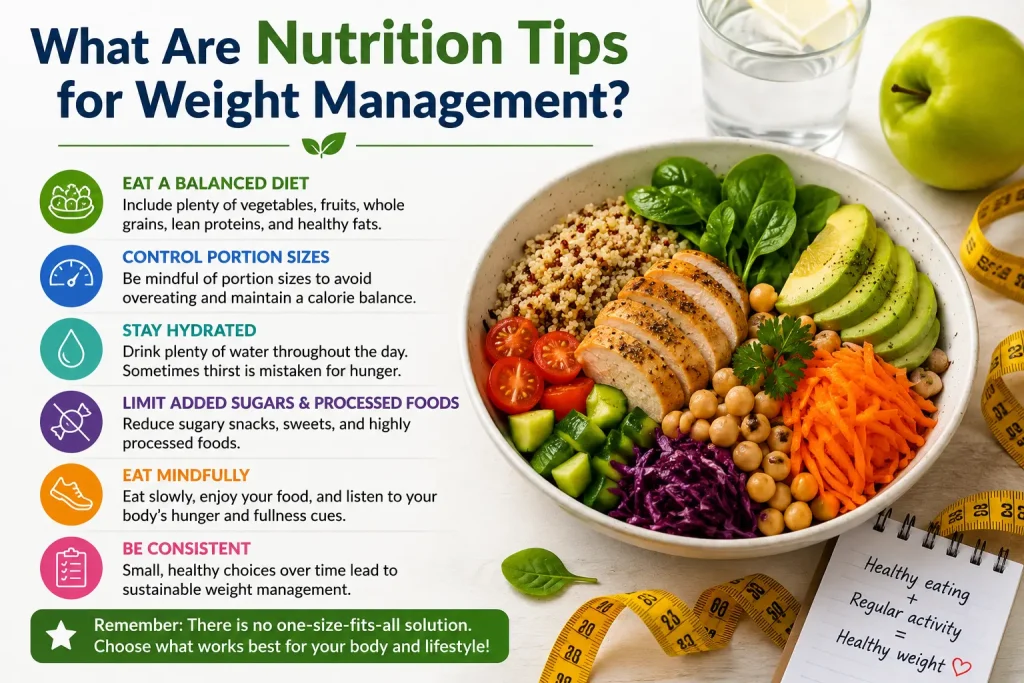
Nutrition tips for weight management refer to practical dietary strategies that help individuals control body weight in a healthy and sustainable way.
These tips focus on improving food choices, controlling calorie intake, and ensuring proper nutrient balance rather than relying on restrictive dieting.
Key principles include:
- Eating nutrient-dense foods.
- Managing portion sizes.
- Balancing macronutrients.
- Reducing processed food intake.
- Staying hydrated.
- Maintaining consistent meal patterns.
Weight management nutrition is not a temporary plan. It is a long-term lifestyle approach that helps regulate body weight while still allowing flexibility and enjoyment in eating.
Unlike crash diets, which often lead to rapid weight loss followed by weight regain, proper nutrition habits promote steady and sustainable progress.
Why Is Nutrition Important for Weight Management?
benefits of nutrition tips for weight management
Nutrition plays a central role in weight management because every food you eat affects your energy balance, metabolism, and fat storage.
When you consume more calories than your body needs, excess energy is stored as fat. When you consume fewer calories than required, your body uses stored fat for energy.
However, calorie balance is not the only factor. The quality of food also matters.
Nutrient-dense foods:benefits of nutrition tips for weight management
- Keep you full longer.
- Stabilize blood sugar levels.
- Reduce cravings.
- Improve energy levels.
- Support metabolic health.
On the other hand, processed foods often lead to overeating because they are low in fiber and nutrients but high in calories.
benefits of nutrition tips for weight management
Good nutrition also improves digestion, supports muscle maintenance, and enhances physical performance—all of which contribute to effective weight management.
Step-by-Step Guide to Nutrition Tips for Weight Management
Step 1: Focus on Whole Foods
Whole foods should form the foundation of your diet.
These include:
- Fresh fruits.
- Vegetables.
- Whole grains.
- Lean proteins.
- Nuts and seeds.
Whole foods are naturally rich in nutrients and low in unhealthy additives. They also help control hunger more effectively than processed foods.
Step 2: Control Portion Sizes
Even healthy foods can contribute to weight gain if eaten in large quantities.
Practical portion control strategies include:
- Using smaller plates.
- Eating slowly.
- Avoiding second servings immediately.
- Paying attention to hunger signals.
This helps prevent overeating without feeling restricted.
Step 3: Balance Macronutrients
A balanced diet includes carbohydrates, proteins, and fats in appropriate proportions.
- Carbohydrates provide energy.
- Protein supports muscle repair and satiety.
- Healthy fats support hormones and brain function.
Including all three in every meal helps maintain steady energy levels and reduces cravings.
Step 4: Increase Fiber Intake
Fiber is one of the most important nutrients for weight management.
High-fiber foods include:
- Oats.
- Beans.
- Lentils.
- Fruits.
- Vegetables.
Fiber helps you feel full for longer and supports healthy digestion.
Step 5: Stay Hydrated
Water plays a key role in metabolism and appetite control.
Healthy hydration habits include:
- Drinking water before meals.
- Replacing sugary drinks with water.
- Carrying a water bottle throughout the day.
Proper hydration can help reduce unnecessary snacking.
Step 6: Choose Protein-Rich Foods
Protein is one of the most important elements in nutrition tips for weight management because it helps control appetite and supports muscle maintenance. When you eat enough protein, you feel fuller for longer, which naturally reduces overeating.
Good protein sources include:
- Eggs for complete nutrition and satiety
- Chicken and turkey for lean protein
- Fish like salmon and tuna for healthy fats
- Beans and lentils for plant-based protein
- Greek yogurt for probiotics and protein balance
Including protein in every meal helps stabilize blood sugar levels and prevents sudden hunger spikes. This makes it easier to maintain consistent calorie intake throughout the day.
Step 7: Reduce Processed Foods
Processed foods are often high in sugar, unhealthy fats, and empty calories. They may taste good but do not provide long-lasting energy or nutrition.
Try to limit:
- Fast food meals
- Sugary snacks and desserts
- Packaged chips and crackers
- Sweetened beverages
Instead, replace them with whole food alternatives. For example, swap chips with roasted nuts or fruit, and replace soda with water or herbal tea. This simple change can significantly improve weight control over time.
Step 8: Practice Mindful Eating
Mindful eating means paying full attention to your food and eating experience. It helps you recognize hunger and fullness cues more accurately.
benefits of nutrition tips for weight management
- Eating without distractions like TV or mobile phones
- Chewing food slowly and thoroughly
- Putting utensils down between bites
- Stopping when you feel comfortably full
This approach prevents emotional eating and reduces unnecessary calorie intake.
Step 9: Plan Your Meals Ahead
Meal planning is a powerful strategy in nutrition tips for weight management because it reduces impulsive food choices.
Benefits of meal planning include:
- Better portion control
- Healthier food choices
- Reduced reliance on fast food
- More consistent calorie intake
You can prepare meals in advance or simply plan your weekly menu. Even basic planning helps you stay on track.
Step 10: Eat Regular Meals
Skipping meals can often lead to overeating later in the day. Regular eating patterns help maintain stable energy and reduce cravings.
A simple structure includes:
- Breakfast to start your metabolism
- Balanced lunch for energy
- Light dinner to avoid overeating at night
- Healthy snacks if needed
Consistency is more effective than irregular dieting patterns.
Step 11: Control Sugar Intake
Excess sugar is one of the biggest obstacles in weight management. It adds extra calories without providing nutrition and increases cravings.
Reduce sugar by:
- Avoiding sugary drinks
- Limiting sweets and desserts
- Choosing whole fruits instead of juices
- Reading food labels carefully
Reducing sugar intake helps stabilize energy levels and supports fat loss.
Benefits of Nutrition Tips for Weight Management

Following these strategies offers many long-term benefits:
Step 6: Choose Protein-Rich Foods
Protein is one of the most important elements in nutrition tips for weight management because it helps control appetite and supports muscle maintenance. When you eat enough protein, you feel fuller for longer, which naturally reduces overeating.
Good protein sources include:
Eggs for complete nutrition and satiety
Chicken and turkey for lean protein
Fish like salmon and tuna for healthy fats
Beans and lentils for plant-based protein
Greek yogurt for probiotics and protein balance
Including protein in every meal helps stabilize blood sugar levels and prevents sudden hunger spikes. This makes it easier to maintain consistent calorie intake throughout the day.
Step 7: Reduce Processed Foods
Processed foods are often high in sugar, unhealthy fats, and empty calories. They may taste good but do not provide long-lasting energy or nutrition.
Try to limit:
Fast food meals
Sugary snacks and desserts
Packaged chips and crackers
Sweetened beverages
Instead, replace them with whole food alternatives. For example, swap chips with roasted nuts or fruit, and replace soda with water or herbal tea. This simple change can significantly improve weight control over time.
Step 8: Practice Mindful Eating
Mindful eating means paying full attention to your food and eating experience. It helps you recognize hunger and fullness cues more accurately.
Helpful mindful eating habits include:
Eating without distractions like TV or mobile phones
Chewing food slowly and thoroughly
Putting utensils down between bites
Stopping when you feel comfortably full
This approach prevents emotional eating and reduces unnecessary calorie intake.
Step 9: Plan Your Meals Ahead
Meal planning is a powerful strategy in nutrition tips for weight management because it reduces impulsive food choices.
Benefits of meal planning include:
Better portion control
Healthier food choices
Reduced reliance on fast food
More consistent calorie intake
You can prepare meals in advance or simply plan your weekly menu. Even basic planning helps you stay on track.
Step 10: Eat Regular Meals
Skipping meals can often lead to overeating later in the day. Regular eating patterns help maintain stable energy and reduce cravings.
A simple structure includes:
Breakfast to start your metabolism
Balanced lunch for energy
Light dinner to avoid overeating at night
Healthy snacks if needed
Consistency is more effective than irregular dieting patterns.
Step 11: Control Sugar Intake
Excess sugar is one of the biggest obstacles in weight management. It adds extra calories without providing nutrition and increases cravings.
Reduce sugar by:
Avoiding sugary drinks
Limiting sweets and desserts
Choosing whole fruits instead of juices
Reading food labels carefully
Reducing sugar intake helps stabilize energy levels and supports fat loss.
Benefits of Nutrition Tips for Weight Management
Following these strategies offers many long-term benefits:
Supports healthy and sustainable weight loss
Improves energy levels throughout the day
Reduces cravings and emotional eating
Enhances digestion and gut health
Stabilizes blood sugar levels
Supports muscle maintenance
Improves heart health
Boosts mental clarity and focus
Encourages healthier food habits
Reduces risk of chronic diseases
Helps maintain long-term weight stability
Improves sleep quality
Increases overall fitness performance
Supports hormonal balance
Promotes better lifestyle discipline
Enhances overall well-being
These benefits become stronger when combined with regular physical activity and good sleep habits.
Disadvantages and Risks
While nutrition-based weight management is safe, some challenges may occur:
Requires consistency and discipline
Progress may be slow compared to crash diets
Meal planning can feel time-consuming at first
Healthy foods may be more expensive in some cases
Misleading diet trends can cause confusion
Over-restriction may lead to nutrient imbalance if not planned well
Understanding these challenges helps you stay realistic and committed to long-term success.
Common Mistakes to Avoid
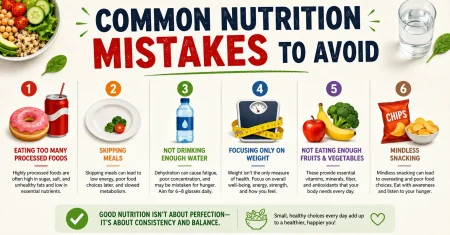
One common mistake is focusing only on calorie reduction without considering food quality. Low-quality calories often lead to hunger and overeating.
Another mistake is skipping meals, which can slow metabolism and increase cravings later in the day.
Many people also rely too heavily on processed “diet” foods that are not truly healthy. Always check ingredient lists carefully.
Ignoring hydration is another issue. Dehydration is often mistaken for hunger, leading to unnecessary eating.
Finally, expecting instant results can lead to frustration. Healthy weight management is a gradual process that requires patience and consistency.
These benefits become stronger when combined with regular physical activity and good sleep habits.
Disadvantages and Risks
While nutrition-based weight management is safe, some challenges may occur:
- Requires consistency and discipline
- Progress may be slow compared to crash diets
- Meal planning can feel time-consuming at first
- Healthy foods may be more expensive in some cases
- Misleading diet trends can cause confusion
- Over-restriction may lead to nutrient imbalance if not planned well
Understanding these challenges helps you stay realistic and committed to long-term success.
Common Mistakes to Avoid
One common mistake is focusing only on calorie reduction without considering food quality. Low-quality calories often lead to hunger and overeating.
Another mistake is skipping meals, which can slow metabolism and increase cravings later in the day.
Many people also rely too heavily on processed “diet” foods that are not truly healthy. Always check ingredient lists carefully.
Ignoring hydration is another issue. Dehydration is often mistaken for hunger, leading to unnecessary eating.
Finally, expecting instant results can lead to frustration. Healthy weight management is a gradual process that requires patience and consistency.
What are the best nutrition tips for weight management?
The best nutrition tips for weight management include eating whole foods, controlling portion sizes, increasing protein and fiber intake, staying hydrated, and reducing processed foods. These habits help regulate appetite and support long-term healthy weight control.
How fast can I see results from healthy eating?
Results vary from person to person. Some people notice improved energy and digestion within a few days, while visible weight changes may take a few weeks. Consistency is more important than speed when it comes to sustainable weight management.
Do I need to avoid carbohydrates to lose weight?
No, you do not need to avoid carbohydrates completely. The key is choosing healthy carbs like oats, brown rice, quinoa, and whole grains instead of refined carbs and sugary foods. Carbohydrates are an important source of energy.
Is skipping meals helpful for weight loss?
Skipping meals is not recommended for weight management. It can lead to increased hunger later, causing overeating and poor food choices. Eating regular, balanced meals is more effective and sustainable.
Can I eat snacks while managing weight?
Yes, healthy snacks can support weight management when chosen wisely. Options like fruits, nuts, yogurt, and vegetables help control hunger and prevent overeating during main meals.
How important is water for weight control?
Water plays a very important role in weight management. It supports metabolism, helps control appetite, and prevents unnecessary snacking caused by dehydration. Drinking enough water daily is essential.
expert Tips & Bonus Points
To improve your success with nutrition tips for weight management, focus on building simple, realistic habits instead of extreme diets. Small changes consistently applied over time lead to the best results.
Here are some expert-backed strategies:
- Start your day with a protein-rich breakfast to control hunger
- Use smaller plates to naturally reduce portion sizes
- Fill half your plate with vegetables at every meal
- Keep healthy snacks ready to avoid junk food cravings
- Drink a glass of water before meals to reduce overeating
- Cook at home more often to control ingredients
- Avoid grocery shopping when hungry to prevent impulse buying
- Read nutrition labels to understand what you are eating
- Focus on long-term habits instead of short-term diets
- Allow occasional treats in moderation to stay consistent
Another important tip is to track your eating habits. You can use a simple notebook or mobile app to understand your food patterns. This helps you identify areas where improvements are needed without strict dieting.
Also, avoid comparing your progress with others. Everyone’s body responds differently to dietary changes. The key is steady improvement over time, not rapid transformation.
Most importantly, make your nutrition plan enjoyable. When healthy eating feels satisfying and flexible, it becomes much easier to maintain for life.
Conclusion
Effective nutrition tips for weight management are not about strict dieting or eliminating foods you enjoy. Instead, they focus on building balanced, sustainable eating habits that support long-term health and well-being. By choosing whole foods, controlling portions, staying hydrated, and balancing nutrients, you create a strong foundation for healthy weight control.
Consistency is the most important factor in achieving lasting results. Small daily improvements—such as eating more vegetables, reducing sugar intake, or increasing protein—can make a significant difference over time. Unlike quick-fix diets, these habits are realistic and easier to maintain in the long run.
It is also important to remember that weight management is not only about appearance but overall health. Better nutrition improves energy levels, mental clarity, digestion, immunity, and quality of life. When combined with regular physical activity and good sleep, the results become even more effective.
There will always be challenges along the way, but staying patient and committed is key. Progress may be gradual, but it is far more sustainable than temporary solutions.
By applying these nutrition strategies consistently, you can develop a healthier relationship with food and achieve long-lasting weight balance. Every small step you take today contributes to a healthier, stronger, and more confident future.