


Introduction
Developing better sleep habits for mental health is one of the most effective ways to improve your emotional well-being, reduce stress, and enhance your overall quality of life. Sleep is much more than a time for rest. It allows your brain and body to recover, process emotions, strengthen memory, and prepare for the challenges of a new day. When you consistently get enough quality sleep, you are more likely to feel energized, focused, and emotionally balanced.
Unfortunately, modern lifestyles often interfere with healthy sleep. Long working hours, excessive screen time, irregular schedules, and daily stress can make it difficult to fall asleep or stay asleep. Over time, poor sleep may contribute to mood swings, reduced concentration, increased anxiety, and lower productivity.
The good news is that improving sleep doesn’t always require major lifestyle changes. Small, consistent habits can significantly improve both sleep quality and mental health. Whether you’re a student, a working professional, or someone simply looking to feel better each day, adopting healthier sleep routines can have lasting benefits.
In this guide, you’ll learn practical strategies to build better sleep habits for mental health, understand why sleep matters, and discover simple daily routines that support both your mind and body.
What is Better Sleep Habits for Mental Health?
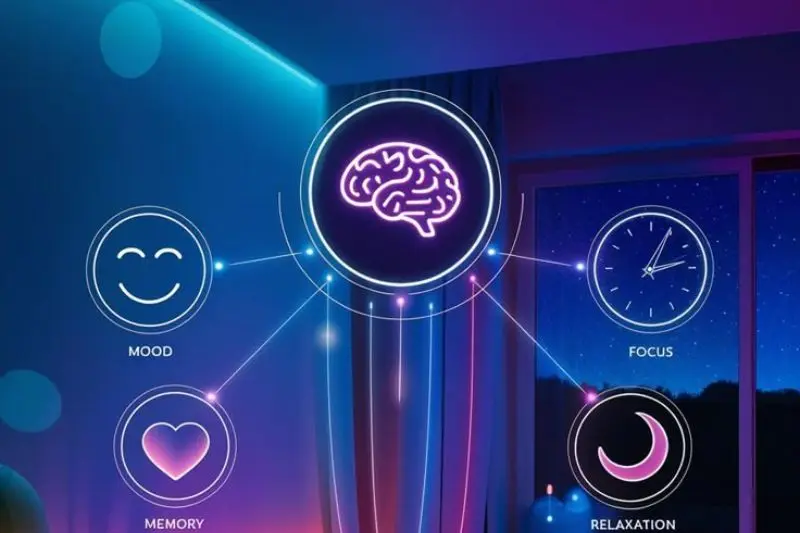
Better sleep habits for mental health refer to daily routines and behaviors that promote consistent, high-quality sleep while supporting emotional and psychological well-being.
These habits help regulate your body’s natural sleep cycle, allowing you to fall asleep more easily, stay asleep throughout the night, and wake up feeling refreshed.
Examples include:
- Maintaining a regular bedtime.
- Limiting screen time before sleep.
- Creating a relaxing bedtime routine.
- Avoiding excessive caffeine late in the day.
- Exercising regularly.
- Managing daily stress.
- Keeping a comfortable sleep environment.
The goal is not only to sleep longer but also to improve sleep quality, which directly benefits emotional wellness.
Why is Better Sleep Habits for Mental Health Important?

Quality sleep affects nearly every aspect of your mental and physical health.
When you practice better sleep habits for mental health, you strengthen your ability to manage stress, think clearly, regulate emotions, and maintain healthy relationships.
Some important reasons include:
- Improves emotional stability.
- Reduces stress and anxiety.
- Supports memory and concentration.
- Boosts productivity.
- Improves decision-making.
- Strengthens the immune system.
- Enhances physical recovery.
- Promotes overall happiness and well-being.
Good sleep provides the foundation for a healthier and more balanced life.
Detailed Step-by-Step Guide
Step 1: Maintain a Consistent Sleep Schedule
Going to bed and waking up at the same time every day helps regulate your internal body clock.
Even on weekends, try to keep your schedule consistent.
A regular routine makes falling asleep easier and improves sleep quality.
Step 2: Create a Relaxing Bedtime Routine
Prepare your mind for sleep by following calming activities each evening.
Examples include:
- Reading a book.
- Gentle stretching.
- Taking a warm shower.
- Listening to calming music.
- Practicing deep breathing.
Repeating the same routine signals your brain that it’s time to sleep.
Step 3: Limit Screen Time Before Bed
Phones, tablets, televisions, and computers emit blue light that can interfere with your body’s natural production of melatonin.
Try to avoid screens at least one hour before bedtime.
Instead, choose relaxing offline activities.
Step 4: Make Your Bedroom Sleep-Friendly
Your sleeping environment has a significant impact on sleep quality.
Create a comfortable space by:
- Keeping the room cool.
- Reducing noise.
- Using comfortable pillows and bedding.
- Keeping the room dark.
- Removing unnecessary distractions.
A peaceful environment encourages deeper sleep.
Step 5: Watch What You Eat and Drink
Food and beverages can affect how well you sleep.
For better rest:
- Avoid heavy meals late at night.
- Reduce caffeine during the afternoon and evening.
- Limit sugary snacks before bedtime.
- Stay hydrated throughout the day.
Light, balanced evening meals often support better sleep.
Step 6: Stay Physically Active
Regular exercise improves both sleep quality and mental health.
Activities such as:
- Walking.
- Cycling.
- Swimming.
- Yoga.
- Stretching.
can help you fall asleep more easily and wake up feeling refreshed.
Avoid intense workouts immediately before bedtime.
Step 7: Manage Daily Stress
Stress is one of the leading causes of poor sleep.
Healthy stress management techniques include:
- Journaling.
- Meditation.
- Mindfulness.
- Deep breathing.
- Spending time outdoors.
- Talking with supportive friends or family.
Reducing stress during the day often improves sleep at night.
Step 8: Avoid Long Daytime Naps
Short naps of 20–30 minutes may improve alertness.
However, long afternoon naps can make it difficult to fall asleep at night.
If you nap, keep it brief and avoid sleeping late in the day.
Step 9: Expose Yourself to Natural Light
Sunlight helps regulate your body’s internal clock.
Spend time outdoors during the morning whenever possible.
Natural light supports healthy sleep patterns and improves mood.
Step 10: Listen to Your Body
Everyone’s sleep needs are slightly different.
Pay attention to signs of fatigue, maintain healthy routines, and adjust your schedule when necessary.
If sleep difficulties continue for several weeks despite healthy habits, consider consulting a qualified healthcare professional.
Developing better sleep habits for mental health is a gradual process. Small improvements made consistently often lead to better emotional balance, improved concentration, and higher overall well-being.
Benefits of Better Sleep Habits for Mental Health
Developing healthier sleep routines offers far more than simply feeling rested. Consistent, quality sleep improves emotional, physical, and mental well-being while making everyday challenges easier to manage.
Some of the most important benefits include:
- Improved emotional stability: Better sleep helps regulate emotions and reduces mood swings.
- Lower stress levels: Quality rest allows your body and mind to recover from daily pressures.
- Better concentration: Adequate sleep improves focus, memory, and learning ability.
- Higher productivity: Feeling well-rested increases motivation and efficiency at work or school.
- Stronger immune system: Healthy sleep supports your body’s natural defense against illness.
- Improved decision-making: A rested brain processes information more clearly.
- Healthier relationships: Better emotional control leads to improved communication and patience.
- Greater resilience: Good sleep helps you cope more effectively with unexpected challenges.
- Improved physical health: Consistent sleep supports heart health, hormone balance, and energy levels.
- Better overall quality of life: Healthy sleep habits contribute to long-term happiness and well-being.
Disadvantages / Risks
While developing better sleep habits for mental health offers numerous benefits, there are a few challenges to consider.
- Establishing a consistent sleep routine requires patience and discipline.
- Lifestyle changes may take several weeks before noticeable improvements appear.
- Work schedules, parenting responsibilities, or shift work can make regular sleep patterns difficult.
- Different people respond differently to sleep improvement strategies.
- Self-help sleep habits may not fully address medical sleep disorders.
- Unrealistic expectations may lead to frustration if results are not immediate.
- Ignoring ongoing sleep problems instead of seeking professional advice may delay proper treatment.
The goal is long-term improvement rather than overnight perfection.
Common Mistakes to Avoid
Many people unknowingly reduce their sleep quality through everyday habits.
1. Using Electronic Devices Before Bed
The blue light from phones, tablets, and computers can interfere with your body’s natural sleep cycle.
2. Maintaining an Irregular Sleep Schedule
Sleeping at different times every day confuses your internal clock and makes falling asleep more difficult.
3. Drinking Too Much Caffeine Late in the Day
Coffee, tea, energy drinks, and some soft drinks can remain in your system for several hours and delay sleep.
4. Eating Heavy Meals Before Bedtime
Large meals late at night may cause discomfort and interrupt restful sleep.
5. Ignoring Stress
Unmanaged stress often leads to racing thoughts that make it difficult to relax before bedtime.
6. Taking Long Afternoon Naps
Extended naps may reduce your natural sleep drive and make nighttime sleep less restful.
7. Expecting Instant Results
Healthy sleep habits require consistency. Lasting improvements usually develop gradually over time.
Frequently Asked Questions (FAQs)
Why are better sleep habits important for mental health?
Healthy sleep supports emotional balance, reduces stress, improves memory, strengthens concentration, and helps regulate mood, making it easier to handle daily challenges.
2. How many hours of sleep should adults get?
Most adults benefit from 7 to 9 hours of quality sleep each night, although individual needs may vary.
3. Can poor sleep increase stress and anxiety?
Yes. Insufficient or poor-quality sleep can make stressful situations feel more difficult and may increase feelings of anxiety, irritability, and emotional fatigue.
4. What is the best bedtime routine?
A healthy bedtime routine may include reading, stretching, taking a warm shower, practicing deep breathing, and avoiding electronic devices before sleep.
5. Does exercise improve sleep quality?
Yes. Regular physical activity often helps people fall asleep faster, enjoy deeper sleep, and wake up feeling more refreshed. However, intense exercise immediately before bedtime may not be suitable for everyone.
6. When should someone seek professional help for sleep problems?6. When should someone seek professional help for sleep problems?
If sleep difficulties continue for several weeks, significantly affect daily activities, or lead to ongoing fatigue despite healthy habits, it’s advisable to consult a qualified healthcare professional.
7. Can children and teenagers also benefit from healthy sleep habits?
Absolutely. Consistent sleep routines support healthy growth, emotional development, learning, concentration, and overall well-being for young people.
Expert Tips & Bonus Points
If you want to improve your sleep quality even further, consider these practical recommendations:
- Wake up at the same time every morning, even on weekends.
- Spend time outdoors in natural daylight during the morning.
- Keep your bedroom cool, quiet, and comfortable.
- Reserve your bed primarily for sleeping rather than working or watching television.
- Practice relaxation techniques before bedtime.
- Limit unnecessary screen time during the evening.
- Avoid checking work emails or stressful news before bed.
- Keep a sleep journal to identify habits that affect your rest.
- Stay patient and focus on consistency rather than perfection.
- Celebrate small improvements as your sleep routine becomes more established.
These simple habits can produce lasting improvements in both sleep quality and emotional wellness.
Conclusion
Developing better sleep habits for mental health is one of the most effective ways to improve your emotional well-being, physical health, and overall quality of life. Quality sleep allows your brain and body to recover, strengthens emotional resilience, improves memory, and helps you approach each day with greater energy and focus. Although modern lifestyles often make healthy sleep challenging, small and consistent changes can produce meaningful long-term results.
By maintaining a regular sleep schedule, creating a relaxing bedtime routine, limiting screen time, staying physically active, managing stress, and building a comfortable sleep environment, you can significantly improve both your sleep quality and mental wellness. Remember that lasting change takes time, and occasional setbacks are completely normal.
Instead of aiming for perfection, focus on building habits you can maintain over the long term. Every positive step toward healthier sleep supports a calmer mind, stronger emotional balance, and better overall health. If sleep problems persist despite your best efforts, seeking guidance from a qualified healthcare professional is a wise decision. With consistency and patience, better sleep can become one of the strongest foundations for a healthier, happier, and more fulfilling life.