

Introduction
Maintaining good health requires more than treating illnesses after they occur. Understanding common health problems and prevention tips allows individuals to identify potential risks early and adopt healthy habits that reduce the chances of developing serious medical conditions. Prevention is one of common health problems the most effective ways to improve quality of life while avoiding unnecessary medical expenses and complications.
Many common health problems develop gradually due to unhealthy eating habits, physical inactivity, stress, poor sleep, smoking, excessive alcohol consumption, or a lack of regular medical checkups. Fortunately, many of these conditions can be prevented or managed through simple lifestyle changes practiced consistently over time.
Preventive healthcare does not require drastic changes. Small daily improvements, such as eating balanced meals, staying physically active, drinking enough water, maintaining a healthy weight, and scheduling routine health screeninnutritiongs, can significantly reduce health risks. These habits also strengthen the immune system, improve mental well-being, and increase energy levels.
This guide covers the most important common health problems and prevention tips for beginners and intermediate readers. You will learn about common illnesses, why prevention matters, and practical steps that help protect your physical and mental health. By taking preventive action today, you can build healthier habits that support a longer, more active, and more fulfilling life.
What Are Common Health Problems and Prevention Tips?

Common health problems are illnesses and medical conditions that affect a large number of people throughout the world. Some develop suddenly, while others progress slowly over many years.
Prevention tips are practical actions that reduce the risk of developing these conditions or help detect them early when treatment is often more successful.
Examples of common health problems include:
- High blood pressure.
- Heart disease.
- Type 2 diabetes.
- Obesity.
- Seasonal infections.
- Respiratory illnesses.
- Digestive disorders.
- Mental health conditions.
- Joint pain.
- Vitamin deficiencies.
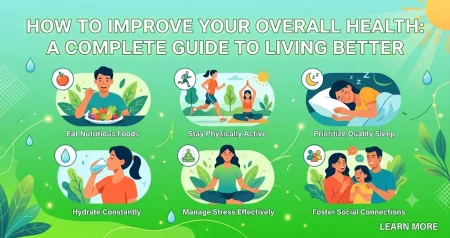
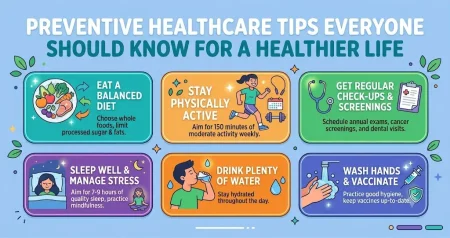
Preventive strategies include maintaining a healthy diet, exercising regularly, getting enough sleep, practicing good hygiene, avoiding tobacco products, reducing stress, and attending routine medical checkups.
The goal of prevention is not only to avoid disease but also to improve overall health and maintain an active lifestyle throughout every stage of life.
Why Are Common Health Problems and Prevention Tips Important?

Understanding common health problems allows people to recognize warning signs before conditions become severe.
Many chronic diseases develop without obvious symptoms during their early stages. Regular health screenings and healthy habits make early detection more likely, improving treatment outcomes.
Preventive care also reduces healthcare costs by lowering the need for emergency treatments and hospital admissions.
Healthy lifestyle choices strengthen the immune system, improve cardiovascular health, support mental well-being, and help maintain a healthy body weight.
Families benefit when healthy habits are practiced together. Parents who encourage balanced nutrition and regular physical activity often help children develop lifelong healthy behaviors.
Preventive healthcare also increases productivity. Healthy individuals generally experience fewer sick days, improved concentration, and greater energy throughout daily activities.
Most importantly, prevention empowers individuals to take control of their own health through informed decisions and consistent positive habits.
Step-by-Step Guide to Preventing Common Health Problems
Step 1: Schedule Regular Health Checkups
Routine medical examinations help detect health problems before symptoms become noticeable.
Annual checkups often include monitoring:
- Blood pressure.
- Blood sugar.
- Cholesterol levels.
- Weight.
- Body mass index.
- Vision.
- Hearing.
- General physical health.
Early diagnosis allows healthcare professionals to recommend lifestyle changes or treatment before conditions worsen.
Do not wait until you feel sick before scheduling a medical examination. Prevention begins with regular monitoring.
Step 2: Eat a Balanced Diet
Healthy nutrition plays a major role in preventing many diseases.
Choose foods rich in nutrients, including:
- Fresh fruits.
- Colorful vegetables.
- Whole grains.
- Lean proteins.
- Healthy fats.
- Low-fat dairy products when suitable.
Limit foods high in:
- Added sugar.
- Saturated fats.
- Sodium.
- Highly processed ingredients.
- Sugary beverages.
Preparing meals at home allows better control over ingredients and portion sizes while encouraging healthier eating habits.
Step 3: Stay Physically Active
Regular exercise helps prevent numerous chronic health conditions.
Aim for at least 150 minutes of moderate physical activity each week.
Excellent exercise choices include:
- Walking.
- Cycling.
- Swimming.
- Jogging.
- Yoga.
- Dancing.
- Strength training.
Physical activity strengthens the heart, improves circulation, supports healthy weight management, and enhances mental well-being.
Even short walks during the day contribute to better long-term health.
Step 4: Prioritize Quality Sleep
Sleep is essential for recovery, immune function, and brain health.
Adults generally need seven to nine hours of quality sleep every night.
Improve sleep quality by:
- Following a regular bedtime schedule.
- Avoiding electronic screens before sleeping.
- Keeping the bedroom cool and quiet.
- Reducing caffeine during the evening.
- Creating a relaxing bedtime routine.
Poor sleep increases the risk of obesity, diabetes, weakened immunity, and reduced concentration.
Step 5: Practice Good Personal Hygiene
Good hygiene helps prevent the spread of infections and protects both personal and community health.
Healthy hygiene habits include:
- Washing hands with soap regularly.
- Brushing teeth twice daily.
- Flossing every day.
- Bathing regularly.
- Cleaning frequently touched surfaces.
- Covering your mouth when coughing or sneezing.
These simple practices significantly reduce exposure to harmful bacteria and viruses while promoting overall wellness.
Step 6: Stay Hydrated Every Day
Proper hydration is one of the simplest yet most effective ways to support overall health. Water helps regulate body temperature, transport nutrients, remove waste, and maintain healthy organs.
Healthy hydration habits include:
- Drink water regularly throughout the day.
- Carry a reusable water bottle.
- Increase water intake during hot weather.
- Drink extra fluids after exercise.
- Choose water instead of sugary beverages.
Even mild dehydration can lead to headaches, fatigue, dizziness, and reduced concentration. Making water your primary beverage supports both physical and mental performance.
Step 7: Manage Stress Effectively
Long-term stress can increase the risk of high blood pressure, heart disease, digestive problems, weakened immunity, and mental health conditions.
Healthy ways to manage stress include:
- Practicing deep breathing.
- Meditating for a few minutes daily.
- Spending time outdoors.
- Reading books.
- Listening to relaxing music.
- Talking with trusted family members or friends.
- Maintaining enjoyable hobbies.
Managing stress improves emotional balance and helps protect both physical and mental health.
Step 8: Maintain a Healthy Weight
Maintaining a healthy weight lowers the risk of many common illnesses, including type 2 diabetes, heart disease, joint pain, and high blood pressure.
Instead of following extreme diets, focus on sustainable habits such as:
- Eating balanced meals.
- Controlling portion sizes.
- Exercising regularly.
- Limiting processed foods.
- Staying physically active throughout the day.
Gradual progress is easier to maintain than rapid weight loss plans.
Step 9: Avoid Harmful Habits
Certain lifestyle choices significantly increase the likelihood of developing chronic diseases.
Avoid or reduce:
- Smoking.
- Tobacco products.
- Excessive alcohol consumption.
- Recreational drug use.
- Frequent consumption of sugary drinks.
- Highly processed snack foods.
Replacing harmful habits with healthier alternatives greatly improves long-term wellness.
Step 10: Stay Up to Date with Vaccinations
Vaccinations help protect individuals and communities from preventable infectious diseases.
Depending on your age and medical history, recommended vaccines may include:
- Influenza vaccine.
- Tetanus booster.
- Hepatitis vaccines.
- Childhood immunizations.
- Other vaccines recommended by healthcare professionals.
Keeping vaccinations current strengthens immunity and helps reduce disease transmission.
Step 11: Monitor Your Mental Health
Mental health deserves the same attention as physical health.
Support emotional well-being by:
- Maintaining social relationships.
- Asking for help when needed.
- Taking regular breaks from work.
- Setting realistic goals.
- Practicing gratitude.
- Spending time doing activities you enjoy.
Recognizing emotional challenges early makes them easier to manage and improves overall quality of life.
Step 12: Learn Your Family Medical History
Knowing your family’s medical history helps identify inherited health risks.
Important information includes whether close relatives have experienced:
- Heart disease.
- Diabetes.
- High blood pressure.
- Stroke.
- Certain cancers.
- Genetic disorders.
Sharing this information with your healthcare provider helps determine appropriate screenings and preventive strategies.
Benefits of Common Health Problems and Prevention Tips

Following preventive healthcare practices offers numerous long-term benefits.
- Reduces the risk of chronic diseases.
- Encourages early disease detection.
- Improves immune system function.
- Supports healthy weight management.
- Promotes better heart health.
- Improves mental well-being.
- Increases daily energy levels.
- Enhances sleep quality.
- Reduces healthcare expenses.
- Encourages healthier lifestyle choices.
- Improves workplace and school productivity.
- Supports healthy aging.
- Builds lifelong healthy habits.
- Increases overall life expectancy.
- Improves quality of life.
- Promotes greater independence as you grow older.
Consistent preventive care often produces better results than treating illnesses after they become serious.
Disadvantages and Risks
While preventive healthcare offers many benefits, there are a few challenges to understand.
- Healthy lifestyle changes require commitment and patience.
- Routine health screenings may require time and planning.
- Some preventive tests can produce false-positive results.
- Healthy food choices may be more expensive in certain locations.
- Poor consistency reduces long-term effectiveness.
- Following health advice from unreliable sources may create confusion.
- Ignoring medical recommendations increases preventable health risks.
- Unrealistic expectations may reduce motivation.
These challenges are generally minor compared to the significant long-term health benefits of prevention.
Common Mistakes to Avoid
One of the biggest mistakes is ignoring regular medical checkups because you feel healthy. Many conditions develop silently and are easier to manage when detected early.
Another common mistake is depending on a single healthy habit while neglecting others. For example, regular exercise cannot fully compensate for poor nutrition, inadequate sleep, or chronic stress.
Some people attempt drastic lifestyle changes that are difficult to maintain. Small improvements practiced consistently are usually more successful.
Skipping vaccinations or recommended health screenings without professional guidance may increase unnecessary health risks.
Following misleading health advice from social media or unreliable websites can also delay proper medical care.
Many individuals overlook mental health while focusing only on physical fitness. Emotional well-being is equally important for maintaining overall health.
Finally, people often become discouraged after making occasional unhealthy choices. Missing one workout or eating one unhealthy meal does not erase your progress. Return to your healthy routine as soon as possible and continue building positive habits.
What are the most common health problems people face?
Some of the most common health problems include high blood pressure, heart disease, type 2 diabetes, obesity, respiratory infections, digestive disorders, arthritis, allergies, and mental health conditions such as anxiety and depression. Many of these illnesses are linked to lifestyle factors and can often be prevented or managed through healthy daily habits and regular medical care.
How can I reduce my risk of developing chronic diseases?
You can lower your risk by eating a balanced diet, exercising regularly, maintaining a healthy weight, avoiding tobacco products, limiting alcohol consumption, managing stress, getting enough sleep, staying hydrated, and attending routine medical checkups. These preventive measures work together to protect your long-term health.
Why are regular health screenings important?
Health screenings help detect diseases before noticeable symptoms appear. Early diagnosis allows healthcare professionals to begin treatment sooner, improving recovery rates and reducing the likelihood of serious complications. Routine screenings also help monitor important health indicators such as blood pressure, blood sugar, and cholesterol.
Can healthy eating really prevent diseases?
Yes. A nutritious diet supports the immune system, helps maintain a healthy weight, lowers cholesterol, regulates blood sugar, and reduces the risk of heart disease, type 2 diabetes, and certain cancers. Choosing whole foods instead of highly processed products is one of the most effective preventive strategies.
How much exercise is recommended for good health?
Most adults should complete at least 150 minutes of moderate-intensity physical activity each week. Activities such as brisk walking, cycling, swimming, and strength training improve cardiovascular fitness, muscle strength, flexibility, and mental well-being. Regular movement also helps prevent many chronic illnesses.
Is preventive healthcare suitable for every age group?
Absolutely. Preventive healthcare benefits children, adults, and older individuals alike. Children need vaccinations and routine growth assessments, adults benefit from healthy lifestyle habits and regular screenings, while older adults require continued preventive care to maintain mobility, independence, and overall health.
Expert Tips & Bonus Points
Preventing common health problems becomes much easier when healthy habits become part of your daily routine. Consistency is more valuable than short-term efforts that are difficult to maintain.
Consider these expert recommendations:
- Schedule annual health checkups in advance.
- Prepare nutritious meals at home whenever possible.
- Drink enough water throughout the day.
- Walk more and sit less during daily activities.
- Include fresh fruits and vegetables in every meal.
- Practice relaxation techniques before bedtime.
- Maintain a consistent sleep schedule.
- Read nutrition labels before purchasing packaged foods.
- Stay informed using reliable health information.
- Encourage healthy habits within your family.
Another useful strategy is keeping a simple health journal. Recording exercise, sleep, water intake, and medical appointments helps you stay organized and monitor your progress over time.
Building one healthy habit at a time also increases your chances of long-term success. Once one habit becomes part of your routine, adding another becomes much easier.
Remember that good health is the result of many small choices made consistently. Every healthy meal, every walk, and every positive decision contributes to a stronger body and a healthier future.
Conclusion
Understanding common health problems and prevention tips empowers you to take control of your health before serious illnesses develop. Prevention is one of the most effective approaches to maintaining physical and mental well-being because it focuses on reducing risks rather than simply treating diseases after they appear. Healthy eating, regular exercise, quality sleep, stress management, proper hydration, good hygiene, vaccinations, and routine medical checkups all contribute to a healthier lifestyle.
Improving your health does not require dramatic lifestyle changes. Small, realistic improvements practiced consistently often produce the greatest long-term results. Even simple actions such as drinking more water, taking daily walks, preparing balanced meals, and scheduling routine health screenings can significantly reduce the risk of many common illnesses.
Preventive healthcare also encourages personal responsibility and informed decision-making. By recognizing potential health risks early and adopting positive daily habits, you can improve your quality of life while reducing future medical complications and expenses. These healthy choices not only benefit you but also inspire family members and friends to prioritize their own well-being.
Start with one healthy habit today and continue building on your progress over time. Consistency, patience, and balance are the foundations of lifelong wellness. By following the practical advice in this guide, you can reduce health risks, improve daily energy, strengthen your immune system, and enjoy a healthier, more active life for years to come.